
Thank you for Subscribing to Food Business Review Weekly Brief
For many years, the food and beverage industry has relied on HACCP as the overarching framework to manage food safety. Preventing food safety incidents has been and remains the focus of the industry. Food safety is a must, but it is not enough. Our brands are committed to delighting our consumers every single time, and to achieve this purpose, we must ensure 100 percent quality. From 1828 Food Safety marketplace incidents reported in 2022, approximately 65 percent were linked to microbial contamination. While there is public information regarding food safety incidents, there is very limited information on quality and spoilage issues. If we use the lens of consumer satisfaction to evaluate our programs, we can conclude that while a lot of focus has been put on HACCP (for good reasons), other programs have not been elevated to their maximum potential. Our responsibility as food and beverage manufacturers is to go beyond food safety and strengthen all fundamental quality programs.
Food and Beverage Consulting
Supplier management and business continuity may depend on different teams, but a disruption does not respect those organizational boundaries. When a critical ingredient becomes unavailable, or the only manufacturer capable of producing a product runs into trouble, quality, procurement and risk teams can suddenly find themselves dealing with the same problem. “We see where those two different capabilities and plans may interact infrequently, and yet they are absolutely integral to each other with respect to how the business can address its product safety and risk management needs,” says Mary Ann Platt, executive vice president atRQA, Inc. It is an issue Platt has encountered throughout her 50-year career and across functions ranging from quality assurance and procurement to manufacturing and distribution. That cross-functional experience informs RQA’s approach, which brings services across the product lifecycle together rather than treating supplier risk, product safety, business continuity and recall response as isolated concerns. “We provide services that touch every part of a product’s lifecycle,” says Platt, from initial product development and manufacturing through situations that may ultimately result in a recall.
Condiments & Sauces
A recipe can be perfect and still have nowhere to go. The sauce may taste exactly as intended, the soup may have found its audience or a restaurant dish may seem ready for the supermarket shelf. Then comes the harder question: who can make it at scale without changing what made it worth making? Roger Hoffman has spent nearly 30 years answering that question. Through Kyemera, the food product development company he leads, he helps brands turn recipes into commercial products and find manufacturing partners suited to what they are trying to make. Its work centers largely on sauces, gravies, salsas, dressings and soups. Matching the Product to the Manufacturer Food brands can end up trying to fit “a squarish peg into a roundish hole.” The mismatch can come down to manufacturing capability, production size, geography or packaging. Kyemera starts by understanding the product and the brand’s requirements, then finds a manufacturing partner that fits them. “We’re not married to any one partner,” says Hoffman. That independence means the company can recommend a facility based on the program rather than a preferred supplier. Crucially, that process does not begin with a random search for an available manufacturer. Kyemera works with a trusted network of manufacturing partners it has developed relationships with and understands firsthand, allowing the company to match products with facilities based on established knowledge of their capabilities. The work often begins before a manufacturer enters the picture. Kyemera works with chefs and brand owners to take kitchen recipes toward commercial formulas through prototyping, testing and flavor development. It helps establish the supply chain, nutrition facts, ingredient documentation and process authority requirements before matching the commercialized formula to a co-packer or co-manufacturer. Commercial feasibility remains part of that process. Kyemera considers COGS, retail economics, margins, free fills, chargebacks and slotting fees alongside supply-chain stability and manufacturing requirements. The question is not simply whether a product can be made, but whether the structure supporting it can scale and give the brand a clear view of what the next 36 months may look like.
Food Service Equipment
TigerChef has built its restaurant supply business around a simple practice of carefully listening before selling. Its online platform serves chefs, restaurateurs, caterers and foodservice businesses with commercial kitchen equipment and supplies backed by direct product guidance. TigerChef begins by understanding how each customer will use the equipment. A deli slicing 50 pounds of meat daily needs a different slicer from a healthcare facility processing 5 pounds a month. Sales and service teams ask questions about budget, usage and kitchen requirements rather than simply processing orders. “We don’t want our sales team looking for the upsell or automatically recommending the item with the highest margin. We want them to focus on what the customer actually needs,” says Ezra Markovic, operations manager.

Food Distributors
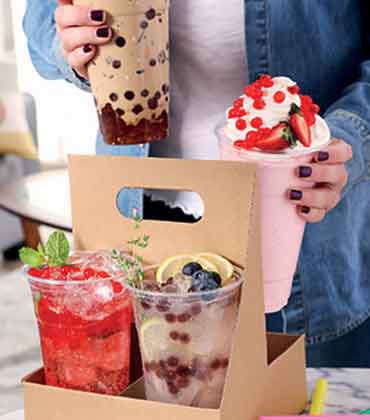
A new food or beverage product often starts with a specific ingredient requirement: a particular texture, flavor, format, or performance characteristic that can help bring a concept to market. Turning that requirement into a commercially viable ingredient, however, requires more than product development. The solution has to work in the finished application, meet defined specifications, and be produced consistently at scale. Pecan Deluxe Candy Company has built its capabilities around that process. The company works with customers to create customized ingredients, bringing together market insight, R&D, culinary expertise, application testing, and manufacturing to move an idea from concept toward commercial production. Its expansion into popping boba provides one example. As interest in boba and refresher-style beverages grew among its quick-service restaurant customers, Pecan Deluxe brought popping boba into fully commercial U.S. production, creating a domestic supply option rather than relying entirely on product shipped from overseas. For the company, the opportunity reflects a broader approach: understand where customers are heading, determine what they need, and develop the capability to deliver it. “The most common reasons our customer partners choose us: quality, customization, ideation, and speed of service,” says Jay Brigham, president and CEO. “You have to be quick. You have to be able to respond quickly.”
Canned Food and Beverages
The conversation around non-alcoholic beverages has changed significantly in recent years. It is no longer simply about accommodating someone who isn’t drinking alcohol but offering the same variety, thoughtfulness, and care to non-alcoholic drinkers as to those who consume alcohol, while creating flavorful, creative, and sophisticated experiences in their own right. At the center of this shift is Lyre’s, a company focused on creating premium non-alcoholic spirits and cocktails that allow consumers to enjoy the rituals and enjoyment of drinking without alcohol. It approaches non-alcoholic drinking as elevation rather than substitution, aiming to create drinks people choose for the experience itself rather than simply because alcohol is absent. Selena Donovan, marketing director at Lyre’s, believes this change reflects a broader evolution in hospitality. “We are seeing more venues treat non-alcoholic drinks as an integral part of the beverage program rather than an afterthought,” she explains.
Supplement

The supplement industry has grown rapidly, but with that growth has come a new set of challenges for businesses trying to source products reliably. From concerns around counterfeit goods to unpredictable availability, buyers need distribution partners that can provide more than just inventory. AMI Distribution has positioned itself as a trusted link between supplement brands and businesses around the world by focusing on authenticity, direct sourcing, and long-term relationships. According to Buddy DellaTorre, VP of sales and operations at AMI Distribution, many customers approach the company after facing difficulties with uncertain supply channels. The company addresses these concerns by working directly with brands and ensuring customers have access to legitimate products with clear documentation and reliable sourcing histories. “We offer fresh goods, recently manufactured, long expiration dates, so that our customers know that they’re getting exactly what they want,” says DellaTorre. This direct approach allows AMI Distribution to provide businesses with confidence in the products they purchase while avoiding the challenges associated with gray-market sourcing
Condiments & Sauces
When Kevin Milligan, president of Milligan’s Maple Products LLC, started making maple syrup, he wasn’t planning to build a business spanning 18 states. A CPA looking for a different path, Kevin took his mother’s suggestion to make syrup on the family’s forested farm. He tapped 400 trees that first season and sold the entire crop to a nearby breakfast restaurant. That first customer helped set the direction for the business: grow through relationships with chefs, restaurants and trusted maple producers. Today, Milligan’s Maple sells more than 30,000 gallons of pure maple syrup annually, supplying restaurants, country clubs, coffee shops, food manufacturers and distributors across 18 states.

Material Handling System

Food Safety Culture
Steve Hammond, Food Safety & Quality Assurance Professional, Sandridge Crafted Foods
Cold Chain

Food Safety Recalls: The Journey to Upholding Public Trust
Adeniyi.A. Odugbemi, PhD, Global Director -Food Safety, ADM
Food Service Equipment

The Power of Connection in Restaurant Equipment Success
Scott Sayre, Branch Manager Bend, Curtis Restaurant Equipment
Food Ingredients
The Whiskey Barrel: From Passive Container to Creative Partner
Andrew Wiehebrink, Director of Spirit Research and Innovation, Independent Stave Company
Food Products

Advancing Food Safety and Quality through Innovation & Nurturing Leadership
Younes Jellal, Global Supply Quality & Product Safety Lead, Impossible Foods
Food Ingredients

Proactively Welcoming the Food Evolution
Scott M. Danchise, Food Service Director, The Nutrition Group
Food Ingredients
Feeding the next Generation with Intention and Rigour
Imaide Steverango, Director of Product Development, Nurture Life

IN MY OPINION
Food Safety
Transforming Food Safety from Policing to Proactive Partnership
Blessing Obioma, Sr Director of FSQA, Home Chef
LAST WORD
Food Products
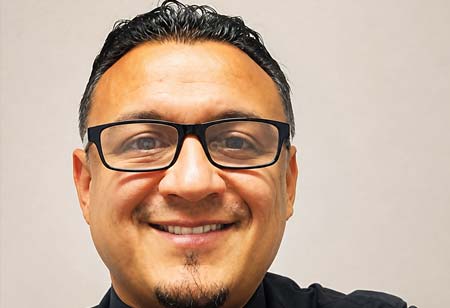
Turning Culture into Conversion: How Modern F&B Marketing Wins in a Scroll-First World
Raul Martinez, Director of Marketing & Business Development, the Taco Spot
IN FOCUS

Catering Trends: The Emerging Popularity of Bagel Catering Services
Bagel catering services are growing through convenience, workplace dining, customization, event demand, and changing food preferences.
Ensuring Flavor Consistency in BBQ Sauce Manufacturing
Manufacturers achieve consistent BBQ sauce flavor through controlled sourcing, precise production, continuous testing, quality improvement and reliable BBQ sauces and seasonings manufacturer practices.
EDITORIAL
Building the Next Generation of Food Innovation
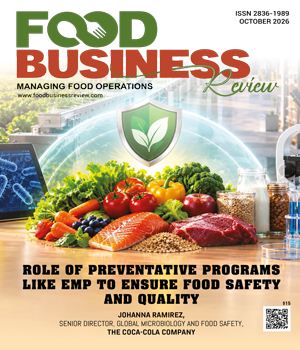
Food businesses are adapting to changing consumer preferences, higher quality expectations and complex supply networks. This issue of Food Business Review explores companies strengthening the food value chain by turning expertise and innovation into solutions that support a changing industry.
Pecan Deluxe Candy Company, recognized as the Food Products and Topping Suppliers of the Year 2026, combines R&D, culinary expertise and manufacturing capabilities to deliver customized solutions with consistent performance.
Reliable sourcing and commercialization are key to bringing food products to market. AMI Distribution, recognized as the Top Wholesale Supplements Solutions 2026, connects supplement brands with authentic products through direct sourcing. Kyemera is recognized as the Top Food Product Development Services 2026 for helping brands move ideas from concept to production through formulation, supply chain planning and manufacturing support. Lyres Spirit is recognized as the Top Non-Alcoholic Spirits and Cocktails Manufacturer 2026 for creating premium beverages centered on flavor, experience and choice.
The strength of the food industry also depends on the partners supporting production behind the scenes. Milligan’s Maple is recognized as the Top Wholesale Maple Syrup Producer and Supplier 2026 for serving restaurants, manufacturers and distributors through quality-focused production and partnerships. RQA is recognized as the Top Food And Beverage Recall Consultancy Solutions 2026 for supporting product safety, crisis planning and recall response.
TigerChef, recognized as the Top Kitchen Equipment Supplier 2026, helps foodservice operators equip their kitchens for everyday challenges. Trey Preston of Acxion Foodservice and Hilda Ysusi of Tacombi, both recognized as Top 10 Culinary Directors 2026, demonstrate how strong culinary leadership can bring together creativity, consistency and the ability to scale.
The issue also features perspectives from Younes Jellal, Global Supply Quality & Product Safety Lead at Impossible Foods, on risk-based food safety systems, and Scott Sayre, Branch Manager Bend, Curtis Restaurant Equipment, on how trusted relationships create resilience through industry change.
Taken together, the insights in this edition show how food businesses are building stronger capabilities through expertise, adaptability and partnership.
