
Thank you for Subscribing to Food Business Review Weekly Brief


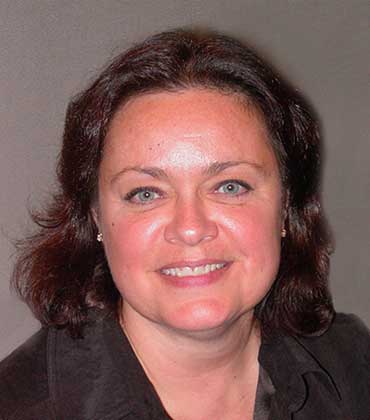 Mary Ann Platt, Executive Vice President
Supplier management and business continuity may depend on different teams, but a disruption does not respect those organizational boundaries. When a critical ingredient becomes unavailable, or the only manufacturer capable of producing a product runs into trouble, quality, procurement and risk teams can suddenly find themselves dealing with the same problem.
“We see where those two different capabilities and plans may interact infrequently, and yet they are absolutely integral to each other with respect to how the business can address its product safety and risk management needs,” says Mary Ann Platt, executive vice president at RQA, Inc.
It is an issue Platt has encountered throughout her 50-year career and across functions ranging from quality assurance and procurement to manufacturing and distribution. That cross-functional experience informs RQA’s approach, which brings services across the product lifecycle together rather than treating supplier risk, product safety, business continuity and recall response as isolated concerns.
“We provide services that touch every part of a product’s lifecycle,” says Platt, from initial product development and manufacturing through situations that may ultimately result in a recall.
Seeing Risk Before It Reaches the Market
Supply chain risk is not limited to ingredients or packaging. RQA examines contract and specialty manufacturers that may be difficult to replace, particularly where only one or two facilities can produce a product. The broader question is whether a company can build the product, source what it needs and distribute it when part of the chain fails.
Risk signals can also emerge after a product reaches the marketplace. A consumer complaint may point to foreign material or another quality issue. RQA can retrieve the sample as an independent third party, document it and maintain the chain of custody. It also helps clients optimize complaint-handling processes and escalation procedures so reports involving illness, injury or foreign material receive the appropriate response.
RQA can return to the store where a complaint originated, purchase the same lot and sealed samples and document store conditions. Retail quality audits can also identify packaging failures, breakage, freshness problems and poor product rotation.
Turning a Recall Plan into Action
Preparation matters when a problem requires a recall. RQA develops recall plans and conducts simulations that help clients understand who needs to act, who should be contacted and what steps should be followed. When a recall occurs, it can help shape strategy, communicate with regulators, notify consignees and remove products from stores and distribution centers.
-
We provide services that touch every part of a product’s lifecycle.
The work can also involve correction rather than removal when regulators approve it. RQA can provide status reporting and documented product disposition, process recalled products from consumers and support the replacement of faulty parts, with all data available to clients online. Its proprietary technology helps field teams deploy quickly, enabling them to reach thousands of stores in a week.
Keeping the Response Current
A recall plan is only useful if the people expected to use it know their roles and have the authority to act. Plans need to reflect current personnel, include backups and be practiced through simulations. Industry turnover can make that harder, particularly when companies are unsure who would make decisions during a recall.
RQA also works with clients to prepare for regulatory requirements before they become mandatory, including stronger traceability and food-safety programs.
The model connects prevention, preparedness and response without requiring clients to use every service. With more than 37 years in business, RQA can provide a specific capability when a client needs one or support a broader response when circumstances demand it. For companies managing product safety, that creates a way to connect risks identified during development with the plans, people and field capabilities needed when those risks reach the market.
Closing the Gap in Food Recall Execution
Food and beverage recalls rarely stay confined to a quality department. A supplier issue can quickly become a production decision, a regulatory response, a retail removal problem or a consumer communication issue. The buying question is therefore broader than whether a consultant can write a recall procedure. Decision-makers need support that can define what is affected and coordinate the response, move quickly once that boundary is known, and document what happens as the response unfolds.
That exposure often starts before a product reaches the market. Ingredient sourcing can create vulnerability when a critical material depends on a narrow supplier base, while contract manufacturing can create a separate point of failure. Recall consultancy is stronger when it can examine these dependencies alongside business continuity planning rather than treating product quality as an isolated function. This discipline matters when a suspected defect emerges. Teams need a defensible basis for deciding what product is involved and how far action should extend.
Preparedness can weaken quietly. Restructuring and staff turnover may leave a recall plan technically current on paper but unclear in practice. Decision authority matters during an incident, and so does familiarity with escalation paths. A useful consultancy should therefore help keep plans current and test them through realistic simulations. Exercises expose gaps that static documents rarely reveal, particularly around who gathers information and who can authorize action.
Execution becomes the harder test once a recall is active. Identifying affected lots is only part of the work. Companies may need agency communication and consignee notification, followed by store-level recovery or approved correction in place. Speed matters, but evidence matters along with it. Buyers should look for the ability to verify visits and record quantities removed. The resulting documentation should be usable for regulator reporting or later review.
“RQA, Inc.’s field network can perform retail and distribution-center recovery or approved corrections in place, supported by proprietary mobile technology that captures verified removal data.”
Complaint handling also deserves attention because it can influence the earliest recall decision. Independent retrieval of a disputed sample can preserve the chain of custody and reduce questions about handling bias. Store checks can add context around the condition in which a product was purchased. The consultancy should also be able to help define escalation triggers so that complaints involving illness or injury or foreign material reach the right decision-makers without delay.
This logic extends to the end of the event. A recall is not complete simply because instructions were issued. Product disposition may require documented processing of returned product and support for replacing affected items. Closure also depends on confirming that affected goods are no longer available for sale. Buyers therefore benefit from a partner that connects planning to field execution and closes the record with verifiable data.
RQA, Inc. is a strong choice for food and beverage companies that want recall consultancy tied directly to execution. It helps clients develop recall plans and run simulations, and then supports live events through strategy development, agency communication, consignee notification and product removal. Its field network can perform retail and distribution-center recovery or approved corrections in place, supported by proprietary mobile technology that captures verified removal data. It also provides regulator status reporting and documented product disposition, while its recall portals support claims intake and reimbursement. Buyers who need independent complaint retrieval can pair those services with a documented chain of custody and forensic testing. With more than 37 years in business, RQA, Inc. breadth lets it supply a single capability or a full response, depending on what a client's incident demands.
...Read more
Food and Beverage Recall Consultancy Solutions Info
Q1
What Do Food and Beverage Recall Consultancy Solutions Cover?
Food and Beverage Recall Consultancy Solutions help organizations prepare for product incidents, assess recall readiness and coordinate action when affected goods reach the market. Services can cover recall planning, simulations, regulatory communication, product removal, effectiveness checks and documented disposition. The work also connects recall procedures with complaint handling, supplier risk, food safety and business continuity. That broader view helps response teams make decisions using documented product information rather than treating each recall as an isolated event.
Q2
How Does RQA, Inc. Apply Recall Consultancy Solutions?
RQA, Inc. supports recall work from preparation through field response. Its services include developing or enhancing recall plans, conducting recall simulations, coordinating agency communication and consignee notification and arranging product removal from stores and distribution centers. It also handles status reporting and documented product disposition. Its field network uses mobile technology to capture verified removal data. These activities give Food and Beverage Recall Consultancy Solutions a practical role when teams need to move from a recall decision to documented action.
Q3
Why Does Recall Preparedness Matter Before an Incident?
Food and Beverage Recall Consultancy Solutions can help organizations test their plans before an actual product issue creates pressure. A written procedure may look complete yet leave questions about who gathers information, who authorizes action or how notifications should move through the supply chain. Recall simulations bring those gaps into view. RQA, Inc. also addresses crisis planning, food defense, regulatory compliance and business continuity, giving preparedness work a place alongside other food safety and response procedures.
Q4
What Should Organizations Evaluate in Recall Support?
When assessing Food and Beverage Recall Consultancy Solutions, organizations should look beyond whether a provider can produce a recall plan. The scope of support matters, including product identification, notification, field removal, effectiveness checks and recordkeeping. Complaint retrieval and chain-of-custody processes can also provide useful evidence during an investigation. The right combination depends on the product, incident and supply chain involved. Clear documentation matters because teams may need to show what was removed, where action occurred and how the response progressed.
Q5
How Can Recall Consultancy Solutions Address Supply Chain Risk?
Food and Beverage Recall Consultancy Solutions can extend into the conditions that make a product incident harder to contain. Supplier risk assessment, for example, can help organizations examine vulnerabilities involving ingredients, contract manufacturers and distribution activities. RQA, Inc. also works across supplier risk assessment, retail quality audits, consumer complaint retrieval and food defense analysis. Looking at these areas alongside recall preparation can give teams a clearer picture of where information, product movement or response procedures may create gaps when a problem reaches the marketplace.
Q6
How Does Recall Support Continue Through Closure?
Food and Beverage Recall Consultancy Solutions should account for more than the initial recall announcement. During an active event, support may include recall strategy, regulator communication, consignee notification, product recovery and approved corrections. RQA, Inc. also provides effectiveness checks and online status information, while documented product disposition records what happens to affected goods. These steps help carry the process through closure, when teams need a clear record
Company :
RQA, Inc.
Management Mary Ann Platt, Executive Vice President
Description
RQA provides quality assurance, food safety, crisis management, product recall and field services to the food, beverage, personal care and consumer product industries. From concept to consumption, it supports multiple stages of the product lifecycle, including retail quality audits, consumer complaint retrieval, brand integrity, crisis planning, inspection and remediation and recall execution.