
Thank you for Subscribing to Food Business Review Weekly Brief


The conversation around non-alcoholic beverages has changed significantly in recent years. It is no longer simply about accommodating someone who isn’t drinking alcohol but offering the same variety, thoughtfulness, and care to non-alcoholic drinkers as to those who consume alcohol, while creating flavorful, creative, and sophisticated experiences in their own right.
At the center of this shift is Lyre’s, a company focused on creating premium non-alcoholic spirits and cocktails that allow consumers to enjoy the rituals and enjoyment of drinking without alcohol. It approaches non-alcoholic drinking as elevation rather than substitution, aiming to create drinks people choose for the experience itself rather than simply because alcohol is absent.
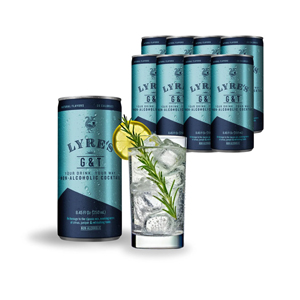 Selena Donovan, marketing director at Lyre’s, believes this change reflects a broader evolution in hospitality. “We are seeing more venues treat non-alcoholic drinks as an integral part of the beverage program rather than an afterthought,” she explains.
Building Familiar Flavors without Alcohol
Creating a non-alcoholic version of a classic spirit involves more than removing alcohol from an existing product. Lyre’s takes a different approach by building each expression from the ground up, focusing on the elements that make traditional spirits recognizable, including aroma, flavor, texture, and finish.
The company works with natural essences, extracts, and carefully selected flavor components to recreate the character associated with classic spirit categories. One of the most complex parts of the process is capturing the warmth and depth that alcohol naturally provides.
Through detailed flavor development and blending techniques, Lyre’s creates products designed to work within familiar cocktail formats. Whether used in a G&T, an Old Fashioned, a Margarita, or another classic serve, the benchmark is not whether a drink performs well by non-alcoholic standards, but whether the complete serve is genuinely enjoyable on its own term.
Meeting the Rise of Mindful Drinking
The growth of mindful drinking has been driven by changing consumer habits. Many people are not choosing between drinking alcohol and avoiding it entirely. Instead, they are making decisions based on different moments, from weekday evenings and professional events to celebrations and personal wellness goals.
-
We are seeing more venues treat non-alcoholic drinks as an integral part of the beverage program rather than an afterthought.
Lyre’s recognizes that flexibility has become an important part of the drinking experience. Some consumers may choose an entirely alcohol-free option, while others may alternate between alcoholic and non-alcoholic drinks throughout an occasion.
The company’s portfolio spans spirit alternatives, RTD cocktails and sparkling non-alcoholic wines, ranging from ingredients for building cocktails at home to ready-to-drink options such as the Amalfi Spritz. This variety allows consumers to enjoy a beverage that matches the occasion, whether they are creating something at home or selecting a convenient ready-to-serve option.
Making Inclusion Part of the Experience
Beyond product development, Lyre’s is helping change how social drinking occasions are approached. The company works with hospitality partners, bartenders, and mixologists to make non-alcoholic beverages more visible and accessible.
Bartenders play an important role in introducing guests to these options because they help demonstrate that a non-alcoholic drink can receive the same creativity and care as any other cocktail. As more beverage professionals embrace the category, consumers are becoming more comfortable exploring new choices.
According to Donovan, the goal is to make non-alcoholic ordering feel natural in every setting. “We want it to feel completely natural to order a beautifully made non-alcoholic drink at dinner, a bar, a wedding, a café – wherever,” she says.
Looking Ahead at Beverage Innovation
Lyre’s sees a future where alcoholic and non-alcoholic beverages exist together as equal choices on the menu. Rather than separating the two categories, the company believes consumers will increasingly choose drinks based on flavor, style, and occasion, with alcohol level becoming another consideration.
As the non-alcoholic beverage category continues to develop, Lyre’s remains focused on improving quality, availability, and consumer awareness. In North America in particular, Lyre’s sees further opportunity to make premium non-alcoholic choices easier to find across hospitality, retail and at-home occasions.
By combining craftsmanship with a deeper understanding of changing lifestyles, the company is helping create a beverage culture where everyone has a place at the table.
Cocktail Performance Sets the Buying Standard
A non-alcoholic spirit can earn menu space and still fail the buyer once it reaches the glass. If it disappears under mixers, tastes thin beside full-strength cocktails, forces bartenders to rebuild familiar recipes or leaves guests questioning the premium price, the venue inherits friction rather than useful choice. Alcohol content alone cannot carry the purchase decision. What matters is whether the liquid can carry the same expectations of taste and presentation that surround the rest of a beverage program.
Ethanol normally contributes aroma lift, body, warmth and length. Recreating that experience without it requires more than matching a recognizable flavor note. A manufacturer should show that its liquid retains structure after dilution and remains balanced inside a finished cocktail. Heat on the palate and aromatic persistence need deliberate handling, but buyers should resist products that overcorrect with sweetness or aggressive flavoring. The practical test is more revealing. A familiar drink should still read as familiar once the non-alcoholic base is introduced.
Range creates a different purchasing problem. Too few expressions can leave bartenders building an entire menu around one flavor profile, while an oversized catalog can add inventory without expanding useful occasions. Spirit alternatives are valuable when they give beverage teams room to reproduce established recipes. Premixed cocktails answer another need by reducing preparation at settings where speed and portion consistency matter. Buyers should look for a portfolio in which each format has a clear role rather than one that simply multiplies SKUs.
“Lyre's builds its spirit alternatives from natural essences and extracts, developing aroma, palate structure, warmth and finish from the ground up rather than stripping alcohol from a conventional spirit.”
Execution at the bar can expose weaknesses that a tasting room does not. A product that demands unique measures, specialty ingredients, dedicated training and separate recipe logic may create more work than its menu contribution justifies. Familiar build ratios and predictable substitution behavior reduce that friction. Multi-site hospitality groups should also consider whether recipes can be repeated across locations without depending on one experienced bartender to make the drink work. Consistency becomes part of the product decision because the guest judges the finished serve, not the manufacturer’s formulation notes.
Premium positioning raises the proof burden further. Non-alcoholic drinks now compete for the same menu attention and discretionary spend as established cocktails, which leaves little room for products that feel secondary once served. Buyers are better served by manufacturers that treat flavor performance and service usability as connected requirements. A liquid may taste impressive in isolation yet prove awkward behind the bar, while an easy-to-use product can still disappoint if its sensory profile lacks depth. The purchase earns its place when both sides hold up under normal service conditions.
Against that buying logic, Lyre's is the premier choice for buyers that want classic cocktail familiarity without narrowing the non-alcoholic program to a single format. Lyre's spirit alternatives are built from natural essences and extracts, developing aroma, palate structure, warmth and finish from the ground up rather than stripping alcohol from a conventional spirit. The range is designed to work in familiar cocktail builds, including straightforward substitutions for traditional base spirits. Its portfolio also covers ready-to-drink cocktails, while sparkling non-alcoholic wine extends the offer beyond mixed drinks. For hospitality buyers balancing guest choice with practical bar execution, Lyre's provides a focused fit between liquid performance and service flexibility.
...Read more
Non-Alcoholic Spirits and Cocktail Manufacturers Info
Q1
What Do Non-Alcoholic Spirits and Cocktails Manufacturers Provide?
Non-Alcoholic Spirits and Cocktails Manufacturers develop beverages that recreate some of the flavor, aroma, texture and finish associated with traditional drinks without alcohol. Their offerings can include spirit alternatives, ready-to-drink cocktails and sparkling non-alcoholic wines. The category serves different drinking occasions, from cocktails prepared at home to ready-to-serve beverages, giving consumers more choice around how and when they drink. The distinction is not only the absence of alcohol but also the effort to create a complete beverage experience with recognizable flavor and useful formats.
Q2
What Distinguishes Lyre’s Approach to Non-Alcoholic Spirits and Cocktails Manufacturers?
Lyre’s develops its expressions from the ground up rather than removing alcohol from an existing spirit. It uses natural essences, extracts and selected flavor components to build aroma, palate structure, warmth and finish. Its portfolio is designed around familiar cocktail formats, including G&Ts, Old Fashioneds and Margaritas, while also covering ready-to-drink options and sparkling non-alcoholic wine. This approach places formulation and finished-drink performance alongside the basic requirement of being alcohol-free.
Q3
How Do Non-Alcoholic Spirits and Cocktails Manufacturers Address Cocktail Performance?
A useful product must hold its character after it enters a finished drink. Non-Alcoholic Spirits and Cocktails Manufacturers therefore need to consider dilution, balance, aroma persistence, body and finish, not just how a liquid tastes on its own. Familiar substitution behavior can also reduce preparation changes for bartenders. The practical question is whether the resulting cocktail remains recognizable and enjoyable under normal service conditions. Products that require unusual measures, separate recipe logic or extensive training can add friction behind the bar.
Q4
What Should Buyers Look For When Evaluating These Products?
Buyers can examine how each format fits a beverage program. Spirit alternatives may support established cocktail recipes, while premixed cocktails can help settings where speed and portion consistency matter. Non-Alcoholic Spirits and Cocktails Manufacturers should also provide a portfolio with clear roles rather than adding products that simply increase the number of stock-keeping units. Quality in the glass, ease of service and repeatability across occasions all matter. For multi-site operations, consistent recipes and predictable substitution can also affect how easily an offering is carried across locations.
Q5
How Does Lyre’s Support Wider Use of Non-Alcoholic Drinks?
Lyre’s works with hospitality partners, bartenders and mixologists to make non-alcoholic beverages more visible and accessible. Its range is intended for varied settings, including restaurants, bars, weddings, cafés and at-home occasions. By offering both ingredients for building drinks and ready-to-drink products, Lyre’s addresses different service formats while keeping the experience centered on flavor, presentation and occasion. Its portfolio includes spirit alternatives, RTD cocktails and sparkling non-alcoholic wines, giving users different ways to approach the category.
Q6
How Are Non-Alcoholic Spirits and Cocktails Manufacturers Shaping Beverage Choice?
The category is moving beyond a simple alcohol-versus-no-alcohol choice. Non-Alcoholic Spirits and Cocktails Manufacturers are responding to occasions in which people may want different beverage formats at different times, including weekday evenings, professional events, celebrations and personal wellness moments. This shift also affects hospitality, where non-alcoholic options are increasingly treated as part of the beverage program rather than an afterthought. Lyre’s profile reflects that broader emphasis on choice, familiarity and inclusion, while the category continues to expand the range of drinks available without alcohol.
Company :
Lyre’s
Management Selena Donovan, Marketing Director
Description
Lyre’s is redefining non-alcoholic drinking with premium spirits and cocktails designed for modern consumers. Through craftsmanship, innovation, and a focus on inclusion, the company is helping hospitality venues deliver sophisticated beverage experiences that offer greater choice without compromising flavor or enjoyment.