
Thank you for Subscribing to Food Business Review Weekly Brief


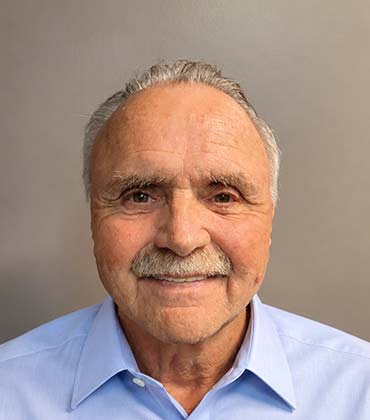 Jack McLaughlin, Founder & President
For many food processors, a single packaging line can often rely on five or more vendors to manage the equipment, film, labels, inspection equipment and product packaging. When something goes wrong, each of them points to the next. That accountability issue is exactly what Pal Group removes.
Founded 43 years ago in Winnipeg, Canada, with operations in Calgary and Toronto, Pal Group distributes food processing and packaging equipment and consumable supplies from major manufacturers, while producing its own custom-printed labels. It also supplies the bags, films and warehouse materials that go with the equipment.
A Service Commitment That Continues
Pal Group’s early years were primarily in distribution capacity, providing industrial packaging products. Over a decade ago, the company moved into food processing, packaging supplies and equipment and, rather than relying on manufacturers to service it, built its own team of factory-trained technicians, capable of installing, calibrating and servicing the equipment it sells.
The decision to bring service in-house came from customer concerns about the cost and availability of technical support. Arranging outside technicians often adds time and expense. Pal Group responded by creating a service team that is adept at handling all kinds of equipment work, including installation, calibration and repairs.
The range of equipment Pal Group supplies reflects the variety of tasks involved in food production and packaging. Applications can be diverse, such as pallet wrapping and food processing, each with its own requirements. Regardless of the line and work involved, Pal Group’s capabilities cover the entire spectrum, driven by its factory-trained technicians. This breadth is visible in how the company aligns its equipment and offerings with customer operations.
Designing Around All Packaging Lines
The diversity among Pal Group’s customers often comes from the scale of the operation. A small food business, like a mom-and-pop shop, may only need a basic vacuum sealer, while national processors like Sofina or Maple Leaf Foods may need additional inspection equipment, such as metal detection or X-ray inspection, integrated into an established line.
As Jack McLaughlin, the company’s founder and president, puts it, “We rise to the occasion. We work with all companies from top to bottom as far as size goes.”
-
What sets us aside in my mind is our ability to service all the needs of a customer in-house here.
Custom label design follows the same approach. When a customer comes in with an idea for their packaging, Pal Group’s design team turns it into finished artwork. Proofs are revised until they’re right, and the final design is sent to print on the same timeline as the equipment and materials. Pal Group also custom prints labels at its head office using digital printing equipment, giving customers a direct route from label design to finished print.
Accountability in Practice
That full-service model also solves a specific industry challenge, finger-pointing.
“Accountability begins and ends with us,” says Gord Southall, national sales manager.
When a machine underperforms and the consumable comes from a separate vendor, customers are often left to mediate between two companies. Pal Group avoids that scenario by supplying the machine and its consumables. Pal Group also trains customer teams on the equipment, reducing how often they need to call in outside help for routine issues.
Robert Armstrong, service manager, recalls an incident where the full-service model delivered exactly what a customer needed. A meat processing plant that had already bought a new processing machine needed traceability marking, food safety inspection and labeling to be built around it. Pal Group built the missing section of the line, bringing together printing, inspection, labeling and end-of-line equipment through several technology partners, including a local integrator. What could have meant five separate supplier relationships became one, a single provider.
Pal Group’s capabilities have grown over four decades, but a key aspect hasn’t changed. One team is responsible for everything from the equipment to the service that follows it. That continuity makes Pal Group a dependable partner that customers can turn to as new needs arise.
Packaging Equipment Built Around Service Accountability
A packaging machine rarely operates as an isolated purchase on a food production floor. Its performance depends on how well it fits existing line speeds, package formats and the materials running through it. Problems often surface after installation, particularly when equipment and consumables come from separate suppliers. A film change that appears minor can alter sealing behavior enough to interrupt production. The buyer then has to determine whether the fault lies with the machine or the material while production time is lost.
Equipment selection therefore needs to start with application fit rather than a catalogue comparison. Production volume and package requirements narrow the field, but integration matters as much. A processor adding inspection equipment to an established line may need conveyors, controls or custom integration work around machinery already in place. Replacement is not always the sensible answer. Suppliers that can work around existing assets give processors more room to expand a line without turning every upgrade into a larger capital project.
“PAL Group’s factory-trained service model keeps installation, calibration, repair and maintenance close to the markets where equipment is sold.”
Service coverage deserves equal scrutiny. Specialized equipment becomes expensive quickly when technical support must travel long distances or move through several parties before reaching the plant. Buyers should establish who will install the equipment and who can return when settings, materials or production requirements change. Local technical knowledge carries particular weight when downtime affects daily throughput. Training also matters because plant personnel who can resolve routine issues themselves are less dependent on outside service for every interruption.
Consumables introduce another purchasing issue that can be easy to underestimate. Packaging film, vacuum bags and labels are recurring inputs, yet their relationship with machinery affects far more than procurement cost. Material characteristics can change how equipment runs. A cheaper substitute may save money on the purchase order while causing sealing problems or slower production if machine settings are not adjusted correctly. Better equipment providers understand the interaction between the machine and the material passing through it rather than treating each purchase separately.
Accountability becomes clearer when those responsibilities sit with fewer suppliers. A processor sourcing machinery from one company and packaging materials from another can end up mediating disputes when performance slips. Buyers should look for a provider capable of diagnosing the complete packaging process and taking responsibility across both equipment and the consumables tied to it. That approach also simplifies recurring supply requirements where inventory has to remain available without adding another layer of coordination for plant staff.
Against those buying pressures, PAL Group merits consideration as the premier choice for food packaging equipment. Its factory-trained service model keeps installation, calibration, repair and maintenance close to the markets where equipment is sold. It can also integrate machinery around existing lines and bring in specialist partners where necessary. The company’s equipment range includes vacuum chambers, metal detection and X-ray inspection systems, inkjet printing equipment and checkweighers. PAL Group also supplies food packaging materials and custom labels, giving processors one point of accountability for machinery and the consumables that directly affect how it performs.
...Read more
Food Packaging Equipment Solutions in Canada Info
Q1
What Do Food Packaging Equipment Solutions in Canada Include?
Food Packaging Equipment Solutions in Canada cover the machinery, materials and technical services used to prepare, process, inspect and package food products. These solutions can include vacuum sealing, pallet wrapping, product inspection, metal detection, X-ray inspection and labeling systems. They also extend to packaging consumables such as bags and films. An integrated approach helps food processors coordinate different stages of production, maintain packaging consistency and manage equipment requirements through fewer supplier relationships.
Q2
How Does Pal Group Support Different Food Packaging Requirements?
Pal Group provides Food Packaging Equipment Solutions in Canada through equipment distribution, consumable supplies and in-house technical support. Founded in Winnipeg, the company operates in Calgary and Toronto and serves food processing operations of different sizes. Its offerings include food processing and packaging machinery, bags, films and warehouse materials. It also produces custom-printed labels. By bringing these requirements together, Pal Group gives customers one point of accountability for equipment, materials and related support.
Q3
Why Is Equipment Servicing Important for Food Packaging Operations?
Reliable machinery is only one part of an effective packaging operation. Regular installation, calibration, maintenance and repairs help equipment perform as intended and reduce disruptions to production. Food Packaging Equipment Solutions in Canada should therefore include access to technicians who understand the machinery and its operating requirements. In-house service capabilities can also reduce delays associated with arranging external technical assistance. Training is another important consideration, as it helps customer teams manage routine equipment tasks with greater confidence.
Q4
What Should Businesses Consider When Selecting Packaging Machinery?
Selecting Food Packaging Equipment Solutions in Canada requires an understanding of the product, production scale and packaging requirements. A smaller food operation may need a basic vacuum sealer, while a larger processing facility may require integrated inspection, traceability marking and labeling equipment. Compatibility between machinery and consumables is equally important. Businesses should also assess installation support, calibration, repair availability and operator training before making equipment decisions. These considerations help ensure that the selected systems fit existing workflows and future operational needs.
Q5
How Does Pal Group Bring Multiple Packaging Services Together?
Pal Group approaches Food Packaging Equipment Solutions in Canada by combining machinery, consumables, labeling and technical assistance under one service model. Its factory-trained technicians handle equipment installation, calibration and repairs. The company also has an in-house design team that develops label artwork, revises proofs and coordinates printing. Its digital printing equipment allows custom labels to be produced at its head office. This arrangement connects packaging design and materials with the machinery used in food production.
Q6
How Can Integrated Packaging Systems Improve Production Coordination?
Food Packaging Equipment Solutions in Canada can simplify production when machinery, inspection systems, labeling and end-of-line equipment work together. Coordinating these elements through a single provider can reduce communication gaps and make responsibility clearer when problems arise. It can also help businesses avoid managing several separate supplier relationships for connected parts of a packaging line. Equipment compatibility, technical support and consistent service remain important factors in maintaining reliable operations as production requirements change.
Company :
Pal Group
Management Jack McLaughlin, Founder & President
Description
Pal Group is a Winnipeg-based distributor of food processing and packaging equipment, operating across Winnipeg, Calgary and Toronto. It supplies bags, films and warehouse materials, manufactures custom-printed labels in-house and provides factory-trained service and installation support to food processors of all sizes.
