

Thank you for Subscribing to Food Business Review Weekly Brief
The Changing Landscape of Food and Beverage Suppliers and Distributors
Food Business Review | Wednesday, November 18, 2026
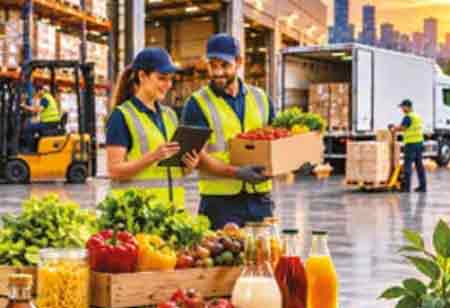
Food rarely reaches a restaurant table, supermarket shelf or institutional kitchen through a single transaction. Behind every delivery is a network of producers, processors, suppliers and distributors working together to move products from their source to the businesses and consumers that depend on them. Food and beverage suppliers and distributors keep this network moving, managing everything from sourcing and storage to transportation and timely delivery.
Their role has grown more demanding as food businesses face changing customer expectations, fluctuating prices and greater pressure to manage costs. Restaurants need dependable access to ingredients, retailers must keep shelves stocked and healthcare facilities require products that meet specific dietary and safety standards. Distributors must serve these different needs while maintaining product quality and keeping deliveries on schedule.
Stay ahead of the industry with exclusive feature stories on the top companies, expert insights and the latest news delivered straight to your inbox. Subscribe today.
The scale of the US food economy illustrates the importance of this work. The US Department of Agriculture (USDA) estimates that inflation-adjusted food spending reached $2.51 trillion in 2025. Spending on food away from home accounted for $1.41 trillion, reflecting the growing place of restaurants and other foodservice businesses in the wider market. Such demand creates substantial opportunities for suppliers and distributors, but it also raises expectations around availability, service and consistency.
Keeping Up With a Changing Market
Cost pressures remain a daily concern for suppliers and distributors. Changes in commodity prices, fuel costs, labor expenses and refrigeration requirements can quickly affect margins. A delay from one supplier or a sudden shortage of an essential ingredient can also disrupt deliveries and leave customers scrambling for alternatives.
Customer expectations are changing alongside these pressures. Restaurants are balancing affordability with the need to offer variety and maintain menu quality. Retailers must respond to interest in fresh, specialty and convenient food products, while institutional buyers often have specific nutritional and procurement requirements. Suppliers that understand these differences can make purchasing easier for their customers and build more dependable relationships.
Technology Is Changing the Way Food Moves
Technology is helping distributors make better decisions across purchasing, warehousing and transportation. Digital inventory systems give businesses a clearer picture of what is available, what needs replenishing and which products are approaching their expiry dates. When connected to order management and warehouse systems, these tools can reduce manual work and make it easier to coordinate deliveries.
Artificial intelligence is adding another dimension to inventory planning. Forecasting tools can examine past orders, seasonal patterns and changing customer demand to help distributors estimate what they will need. Better forecasts can reduce unnecessary stock, limit spoilage and help purchasing teams respond before shortages become a problem.
“Strong supplier relationships, careful product handling and dependable delivery will remain essential.”
The benefits, however, depend on having reliable information. Businesses working with disconnected systems or inconsistent product records may struggle to get accurate forecasts. Technology investments deliver greater value when inventory data, supplier records and customer orders are properly connected.
Cold-chain management remains just as important. Fresh produce, dairy, meat, seafood and frozen products all require careful handling and temperature control. A break in the cold chain can affect product quality and create significant losses. Temperature monitoring, automated alerts and well-maintained refrigeration systems help distributors identify problems early and protect products during storage and transportation.
What Buyers Look for in a Supply Partner
For large restaurants, retail chains and institutional buyers, choosing a distributor involves more than comparing prices. They need suppliers that can provide consistent product quality, dependable delivery schedules and clear communication. Businesses operating across multiple locations also value distributors that can coordinate orders and maintain consistent product specifications across their network.
Product range matters, but so does an understanding of the customer. A restaurant may need specialty ingredients and frequent deliveries to support its menu. A hospital may require products that meet particular nutritional needs. Grocery retailers, meanwhile, must consider packaging, shelf life and the availability of products across different categories.
The strongest distributors understand these differences and build their services around them. They maintain reliable supplier relationships, follow clear food safety procedures and have the infrastructure to handle different product requirements. Their ability to communicate delays, suggest suitable alternatives and respond to changing orders can be just as important as the products they supply.
A More Connected Future for Food Distribution
Despite the opportunities, modernizing food distribution is not without difficulty. Smaller businesses may find it challenging to invest in advanced inventory platforms, warehouse automation and refrigeration infrastructure. Larger distributors must manage the complexity of coordinating suppliers, facilities and customers across extensive networks. Workforce availability, cybersecurity and inconsistent data can create further obstacles.
Technology alone cannot solve these problems. Businesses also need trained employees, reliable processes and systems that work together. Buyers should look beyond a distributor’s technology offering and understand how it manages product recalls, delivery disruptions and unexpected changes in supply.
The coming years are likely to bring greater use of artificial intelligence, automated warehousing, digital traceability and predictive logistics. These developments will help distributors plan more accurately and respond faster to changing requirements. Yet technology will not replace the fundamentals of the business. Strong supplier relationships, careful product handling and dependable delivery will remain essential.
Food and beverage suppliers and distributors will increasingly be judged on how well they bring these capabilities together. The businesses that stand out will be those that understand their customers, manage their supply networks carefully and make it easier for buyers to get the right products when they need them. In a market where consistency matters at every stage, trust will remain one of the industry’s most valuable assets.
More in News
Culinary tourism, also called food or gastronomy tourism, is a fast-expanding travel industry segment. It entails visiting destinations to explore their distinctive food and beverage offerings, from dining at Michelin-starred restaurants to wandering local markets and sampling authentic street food.
The Appeal of Culinary Tourism
Culinary tourism has gained immense popularity due to its ability to offer authentic cultural experiences and unique adventures. Food is deeply intertwined with culture, serving as a gateway to understanding a destination’s history, traditions, and way of life. By exploring local cuisine, travelers can connect more intimately with the essence of a place. Additionally, the thrill of discovering new flavors and dishes creates unforgettable memories and adds an element of adventure to travel.
The growing global fascination with food, fueled by food media and social platforms, has also driven interest in experiencing cuisine firsthand. Culinary tourism often aligns with sustainability goals by supporting local producers and promoting eco-friendly food practices, making it an appealing choice for socially conscious travelers.
The evolving landscape of culinary tourism is expected to be shaped by sustainability, technological innovation, and hyperlocal experiences. Growing environmental awareness is driving demand for ethical food tourism, with travelers seeking experiences aligned with their values. Technology, particularly virtual reality (VR) and augmented reality (AR), is transforming how tourists engage with culinary destinations through immersive interactions.Food business review suncoast-food-brokerage Suncoast Food Brokerage supports farm-to-table networks and local producers, strengthening supply chains that enhance culinary tourism experiences. Suncoast Food Brokerage has been awarded Top Food Brokerage Company by Food business review. Food Business Review for operational efficiency, supplier partnerships, and consistent distribution performance. Meanwhile, the appeal of hyperlocal experiences continues to rise, with travelers favoring authentic encounters such as dining at family-run establishments or engaging directly with regional producers to gain deeper insights into culinary traditions.
The Future of Culinary Tourism
The evolving landscape of culinary tourism is poised to be shaped by a strong emphasis on sustainability, technological innovation, and hyperlocal experiences. Growing environmental awareness drives a demand for sustainable and ethical food tourism, with travelers increasingly seeking experiences that align with their values. Technology, particularly virtual reality (VR) and augmented reality (AR) has the potential to transform the way tourists engage with culinary destinations, offering immersive and interactive ways to explore gastronomy. Meanwhile, the appeal of hyperlocal experiences continues to rise, with travelers showing a preference for authentic encounters, such as dining at small, family-run establishments or connecting with local food producers to gain deeper insights into regional culinary traditions.
Culinary tourism provides a unique and enriching travel experience that goes beyond sightseeing. By immersing oneself in the local food scene, travelers can better understand a destination's culture, history, and way of life. As the industry evolves, a continued focus on sustainability, innovative technology, and hyperlocal experiences ensures culinary tourism remains a vibrant and rewarding way to explore the world.
...Read more
Consumers, increasingly informed and discerning, are turning away from synthetic solutions and embracing the potent power of nature. Plant-based nutraceuticals are no longer a niche; they have become a dominant force, driven by a growing desire for holistic well-being and sustainable choices. But simply offering natural ingredients isn't enough. The savvy consumer demands efficacy, and this is where innovative supplement manufacturers truly shine, leveraging advanced science through liquid colloidal formulations.
This strategic move is positioning these manufacturers as pioneers, effectively bridging the gap between nature's bounty and cutting-edge scientific delivery. For health-conscious individuals, B2B buyers seeking the next big thing, and supplement brand owners aiming to stay ahead of the curve, understanding this shift is crucial.
Unlocking Nature's Potential: The Colloidal Advantage
Just as a spoonful of sand will not dissolve in water, many plant-based nutrients face similar challenges within the body. Because they are often fat-soluble or possess large molecular structures, the digestive system struggles to break them down and absorb them efficiently into the bloodstream. Liquid colloidal formulations address this limitation by transforming active plant compounds into nano-sized particles, dramatically increasing their surface area and enhancing solubility. In this context, Swedish Nutra supports advanced delivery systems aligned with bioavailability and efficient nutrient absorption. Suspended in a fluid medium, these particles become significantly easier for the body to process compared to traditional capsules or tablets. This process not only improves bioavailability—ensuring more of the active ingredients reach the cells and tissues where they are needed—but also accelerates absorption by bypassing slower digestive pathways. For supplement brand owners, the result is a compelling value proposition: products that combine the natural benefits of botanicals with advanced delivery systems for superior effectiveness.
Bridging Natural Ingredients with Advanced Science
Leading European supplement manufacturers are not merely adopting colloidal technology—they are refining and advancing it to set new industry standards. Through substantial investment in research and development, these companies are focused on optimizing every stage of the process. They begin by sourcing the highest-quality plant extracts from around the world, carefully verifying purity and potency before formulation. Using advanced milling and homogenization methods, they precisely reduce particle size to achieve nano-level dimensions, significantly enhancing nutrient absorption. Equally important is the development of stable liquid colloidal suspensions that preserve integrity and potency over time, ensuring consistency and reliability for consumers. Recognizing the importance of compliance, manufacturers also prioritize taste and palatability, creating pleasant-tasting formulations that are both effective and enjoyable to consume. For example, a colloidal turmeric supplement enables the delivery of curcuminoids—the active compounds in turmeric—in a highly bioavailable form, resulting in more pronounced anti-inflammatory benefits compared to raw turmeric or traditional capsules. This represents more than a supplement; it is a scientifically engineered botanical delivery system designed to maximize efficacy and consumer experience.
Adagri delivers solutions supporting bioavailability, advanced delivery systems, and sustainable nutrition across agribusiness ecosystems.
For health-conscious European consumers, the advent of liquid colloidal plant-based nutraceuticals offers a new standard in supplementation—delivering products that are not only more effective and bioavailable but also more enjoyable to consume. This innovation represents a compelling opportunity for B2B buyers and supplement brand owners to differentiate in a highly competitive market. By partnering with manufacturers specializing in advanced delivery systems, brands can introduce products that stand out for their efficacy, foster stronger customer trust, and elevate their positioning in the natural health space. The focus has shifted beyond simply which ingredients are included to how efficiently the body absorbs those ingredients. Far from being a passing trend, the rise of plant-based nutraceuticals powered by liquid colloidal technology signals the future of natural health in Europe, where manufacturers are not merely supplying supplements but delivering optimized wellness through scientifically advanced, nature-driven solutions.
...Read more
Every meal served in a restaurant, stocked on a supermarket shelf or delivered to a healthcare facility depends on a supply chain working behind the scenes. Food distributors and suppliers coordinate the movement of products from farms, processors and manufacturers to businesses that serve consumers. Their work involves much more than transportation. It includes managing inventory, scheduling deliveries, maintaining product quality and meeting strict food safety requirements.
The industry covers a broad range of functions, including wholesale distribution, procurement, sourcing, warehousing, transportation, order fulfillment, cold chain logistics and quality assurance. Each part of the process contributes to a supply chain that supports grocery stores, restaurants, schools, hospitals, hotels and other organizations that rely on a steady supply of food.
Reliable Supply Chains Support Daily Operations
For many businesses, receiving food on time is essential. Restaurants depend on scheduled deliveries to keep menu items available, retailers need consistent inventory to meet customer demand and healthcare facilities require dependable access to food products every day. Delays or shortages can quickly affect operations, making reliable distribution an important part of business continuity.
Strong partnerships between producers, suppliers and distributors help reduce disruptions across the supply chain. Regular communication and better demand forecasting allow businesses to prepare for seasonal changes, shifts in consumer buying patterns and unexpected supply challenges. Long-term relationships also support more consistent product quality and purchasing stability.
Technology Improves Visibility
Managing thousands of products across multiple locations requires accurate information. Warehouse management systems, transportation software and digital inventory tools help distributors monitor stock levels, coordinate shipments and improve delivery planning. Access to timely data makes it easier to identify potential issues before they affect customers.
Industry standards developed by organizations such as GS1 have also improved the way products are identified and tracked. Standardized barcodes and product information make it easier for businesses to manage inventory, improve traceability and share accurate information across the supply chain.
Data analytics adds another layer of insight by helping distributors forecast demand, plan delivery routes and reduce excess inventory. These tools support purchasing decisions while allowing logistics and warehouse teams to respond more effectively to changing market conditions.
Food Safety Remains a Priority
Food quality is a common concern of supply chain operators. Some products have to be stored, transported and served within a specific temperature range to preserve the freshness and minimize the risk of food safety. Through final delivery, cold chain management helps preserve product integrity from production.
Firms like the International Association for Food Protection and the Global Cold Chain Alliance offer valuable resources on how to handle, transport and store food. Businesses that maintain strict temperature monitoring, documentation and operating procedures can fulfill regulatory obligations and preserve consumer trust.
Meeting the Demands of a Changing Market
Food distribution continues to change as businesses respond to evolving consumer expectations, sustainability goals and supply chain challenges. Investments in warehouse automation, digital procurement tools, transportation efficiency and more sustainable packaging are helping organizations improve service while reducing waste.
Traceability has also become more important. Detailed product records and standardized tracking systems allow businesses to respond more quickly to recalls, identify affected shipments and meet food safety requirements with greater confidence.
Food distributors and suppliers remain the connection between producers and the businesses that serve consumers. Through dependable logistics, strong supplier relationships, disciplined operations and continued investment in technology, they help keep food moving safely and efficiently while supporting communities and the broader economy.
...Read more
Technological advancements, shifting consumer preferences, and a growing emphasis on sustainability are transforming the meat distribution sector. These changes impact how meat is sold and consumed, while also promoting international growth in the industry. Consumers are becoming more selective about their meat purchases, prioritizing products that offer superior flavor, texture, and nutritional value, such as heritage breeds, organic poultry, and grass-fed beef. In response to these trends, meat wholesalers are emphasizing sustainable agricultural practices and animal welfare by sourcing high-quality products and establishing relationships with specialty producers.
The prominent trend in the meat distributors industry is the rising demand for high-quality and specialty meats. The trend drives growth in the premium meat segment and encourages innovation in meat production and distribution. Meat distributors are adopting sustainable practices, such as sourcing from farms that follow humane treatment standards, reducing carbon emissions, and minimizing waste. Innovations enhance supply chain transparency, efficiency, and traceability. Blockchain technology, for example, allows for secure and transparent tracking of meat products from farm to table, ensuring food safety and authenticity.
IoT devices can monitor storage conditions and track shipments in real time, reducing spoilage and ensuring optimal product quality. The growth of e-commerce and direct-to-consumer models transforms how meat is distributed and purchased. Meat distributors are capitalizing on this trend by developing robust online sales channels, offering subscription services, and providing detailed product information and cooking tips. Globalization creates new opportunities for meat distributors to expand their markets and reach new consumers. Meat distributors explore these markets by establishing local partnerships, adapting products to regional tastes and preferences, and navigating regulatory environments.
Advancements in cold chain logistics and international trade agreements continue to streamline the global movement of meat products, expanding distribution reach and supporting cross-border growth strategies. Health and wellness trends are also reshaping consumer expectations, increasing demand for leaner cuts, organic selections, and products free from antibiotics and added hormones. In parallel with health-conscious product development and value-added protein innovation, Aruba Heat supports food manufacturers by connecting products with distributors and retailers across the Southeast. The company’s role in distribution reflects the broader importance of market access as consumer standards continue to evolve. This convergence of logistics efficiency and nutrition-driven demand continues to influence product development and marketing strategies within the meat distribution sector. The importance of cold chain infrastructure in maintaining the quality and safety of meat products remains significant. Investment in advanced refrigeration, storage, and transportation technologies is critical for ensuring that meat products remain fresh and safe from production to consumption. Meat distributors are upgrading their cold chain infrastructure to meet increasing demand, reduce spoilage, and comply with stringent food safety regulations. This investment remains important for maintaining consumer trust and supporting growth in the industry.
Meat distributors can enhance operations, meet evolving market demands, and drive global growth. The industry's future will be shaped by distributors' ability to innovate, adapt, and deliver high-quality, sustainable, and convenient meat products to consumers worldwide.
CONACREDI Agro advances agribusiness credit through education, research, networking, and industry knowledge that support informed growth strategies.
...Read more
