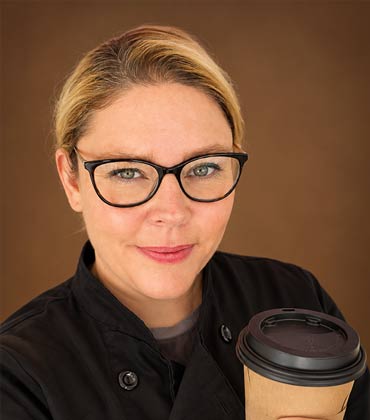
Rebecca Gallacher
Service Culture BuilderIn a business where every shift is live, the best leaders don't just manage their team from the sidelines. They practise it.
In most industries, leadership shows up on an org chart. In food service, it shows up at 5:30 a.m., when the bread is proofing, the breakfast crew is a cook short and hundreds of guests will be through the doors in 90 minutes. Our industry turns leadership from theory into daily practice. It happens in real time, in front of an audience, with no chance at a second take.
That makes food service one of the best leadership schools there is. Too often, we're also the industry that forgets to invest in our leaders and skill development.
Hospitality Starts in the Back of the House
The best cooks, servers and hosts already practise the skills leadership books describe. They read the room, anticipate needs, stay calm under pressure and make someone else's day better. Strong leaders don't leave those skills behind when they're promoted. They turn them toward their own teams.
A manager who notices when a guest needs a moment can also notice when a dishwasher is overwhelmed or when a new cook is too nervous to ask a question. The principle is simple: we can't expect our teams to give guests a level of care they never get from us.
Credibility Is Earned Beside the Team, Not Above It
The most respected kitchen leaders share a habit: they're on the line when it counts. That doesn't mean doing everyone's job for them. It means knowing the work well enough to respect it. A manager who has plated through a rush, torn down a dishwasher at close and covered a shift on short notice earns a kind of trust that no title can grant.
I know this firsthand. With gaps in qualified full-time staff and young seasonal prep cooks, I spend the summer months covering meals and full days as both lead cook and special diets chef, feeding 1,200 guests and seasonal staff. I also teach the service team to push through the hot, tiring dish shift and turn it into a challenge. Those shifts aren't in my job description, but they keep me close to the pressure my team works under and support my full-time leadership team: the timing, the heat and the allergen-friendly meals that can't be wrong.
Great service isn’t something we tell our teams to deliver. It’s something we show them, one shift at a time.
That trust pays off when it matters most. Teams follow leaders they believe in and trust when they know those leaders understand the pressure they're under. When a menu changes, a delivery doesn't show or service goes sideways, a leader with credibility can steady the room with a few words.
Standards Are a Form of Care
Food service leadership carries responsibilities most diners never see: allergen protocols, temperature logs, sanitation schedules, staff certifications, menu and recipe development, SOPs and health inspections. The good, the bad and the ugly. It's easy to write all of this off as paperwork, but it's much more than that. It's how we keep our promises to the people who trust us with their well-being, like the parent whose child has a severe nut allergy or the guest who has celiac disease.
Food service leaders are also on the front line for teaching these standards. That responsibility grows when you run the kitchen at a kids' resort. Many of our seasonal staff are between 15 and 25 and have never held a job of any kind. Others are international workers facing a language barrier. For them, a standard is only as strong as the leader who teaches it, models it and requires the same standard every day.
A leader who holds the line on standards, especially when it's inconvenient, sends a clear message: your safety matters more than my shortcut. Teams learn quickly whether standards are real or just posted on the wall. Consistency is how they tell the difference.
Growing People, Not Just Filling Shifts
Our industry faces real staffing pressure: high turnover, long hours and seasonal teams that change every year. In that environment, it's tempting to treat people as slots on a schedule. But retention is a leadership problem before it's a hiring problem.
People stay where they're growing. A first-season prep cook can become a confident station lead within a couple of years if someone invests in them. That means teaching the why behind a recipe, not just the how. It means giving people ownership of a station and letting them make small, safe mistakes and ask questions.
For many young workers, a kitchen is the first place they learn to handle pressure, be responsible for their own actions, work as a team and take pride in something they made with their own hands. Leaders who recognize that turn a job into a formative experience, and those are the experiences people come back for.
What Leadership Asks of Us
Leading in food service means holding two responsibilities at once: the guest in front of us and the team behind us. It means making fast decisions without making people feel rushed. And it means remembering that every "yes, chef" is an act of trust, not an obligation.
Scheduling, costing and budgeting can all be taught, and they matter. But what sets great operations apart is leaders who treat their teams the way we ask them to treat our guests: with attention, respect and a real stake in their success.
Great service isn't something we tell our teams to deliver. It's something we show them, one shift at a time.