
Thank you for Subscribing to Food Business Review Weekly Brief

Panini Kabob Grill
Mike Rafipoor, Founder, President and CEO
Scaling With People And Quality At The Forefront
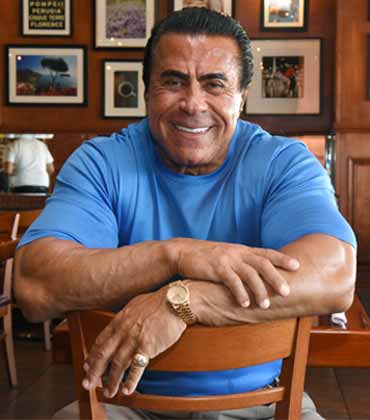
Mike Rafipoor
Mike Rafipoor is a business leader focused on operational excellence, food quality and customer satisfaction. He emphasizes freshly prepared ingredients, consistent standards and hands-on leadership, fostering accountability and teamwork while supporting business growth and delivering memorable dining experiences.
Translating Experience into Leadership I was born in Tehran and came to the U.S. through England in 1989. I built my first businesses from the ground up, including what became Orange County’s second-largest car wash chain. I also operated a sushi bar in Laguna Beach and a nightclub in Newport Beach, experiences that taught me what suited me and what did not. Panini Kabob Grill began with a personal goal. As someone committed to health and fitness, I struggled to find restaurant food without preservatives. I opened a 1,300-square-foot restaurant in Corona del Mar, hired a chef from a Persian restaurant, and created a menu based on how I wanted to eat. Customers embraced the concept, and within a year, I sold my car wash business to focus on the restaurant. This journey shaped my leadership philosophy. Having worked across different aspects of business, I understand the importance of staying connected to daily operations. I learned that a strong concept alone isn't enough; success requires the right people, clear expectations and accountability. My responsibility is to build a capable team, develop future leaders, protect our standards and ensure every guest receives the quality of food I would want for myself. Protecting Quality as the Business Expands My most important strategy has been patience. In our early years, we grew largely with our own money, opening one restaurant every year or two. A banker once told me that banks wouldn't consider lending until we reached 20 million dollars in sales. So we grew one Kabob at a time. This discipline taught us to make every location count. The second strategy is protecting what made us successful. Every restaurant cooks from scratch daily, without freezers or a central commissary, and receives fresh produce six days a week. This model requires strong systems, consistent training, purchasing discipline and accountability. We learned this firsthand through franchising. In 2017, we opened five franchised restaurants, but most operators struggled to maintain our standards. I bought back all but one. Although expensive, protecting the brand mattered more than expanding quickly. Finally, people are essential. Developing leaders who genuinely believe in our vision is as important as opening restaurants. Today, we are expanding more aggressively than ever, supported by the foundation we spent years building. Sustainable growth comes from patience, consistent standards and investing in the right people. “Sustainable growth comes from patience, consistent standards and investing in the right people.” Balancing Growth with Long-Term Priorities I evaluate every decision from two perspectives: its immediate impact and its long-term implications. Growth is exciting, but never at the expense of our food, people or guests. I first consider whether an opportunity aligns with our identity and whether we have the people, infrastructure and resources to pursue it without compromising existing restaurants. Some of my best decisions have involved saying no. Franchising, for example, seemed like the fastest path to expansion, but it didn't suit our scratch-kitchen model, which requires operators to be present 55 to 60 hours weekly and live near their restaurants. When it proved unsuccessful, I made the difficult decision to buy those locations back. Conversely, when my COO left, I returned to operations and realized we could grow faster. That experience prompted me to accelerate expansion. Ultimately, I rely on facts, experience and long-term priorities rather than emotion or immediate pressures. My objective remains consistent: expand the company while protecting the qualities that made it successful. Fostering Alignment through Open Communication Leadership starts with example. I hold myself to the same standards I expect from others and remain closely involved in our restaurants, food and people. When my COO left a few years ago, I stepped back into operations, reminding me how much leaders learn by staying connected to the business and how easily standards can drift without that involvement. I believe in setting clear expectations and communicating why they matter. When team members understand why we avoid freezers or prepare and marinate proteins in every restaurant, they take pride in maintaining our standards rather than simply following instructions. Developing leaders from within is equally important. People who grew up in our kitchens and dining rooms understand our culture and expectations firsthand. As we enter new markets, they help carry those standards into every new restaurant. I also strive to remain accessible, listen to feedback and address challenges directly. Alignment comes from ensuring everyone understands our direction, the standards we will never compromise, and the role each person plays in achieving our goals. Advice for Emerging Business Leaders First, build something you genuinely believe in. Panini Kabob Grill began because I wanted healthy, preservative-free food and couldn't find it. That conviction has sustained us through challenges. Second, be patient. I arrived in this country with little, built a car wash business and tried a nightclub and sushi bar, learning valuable lessons from each. Panini began as a 1,300-squarefoot restaurant, and we grew gradually, largely using our own money. There are no shortcuts. Third, stay close to your business. Listen to employees and guests, and remain involved in daily operations. Distance can make you lose sight of what's really happening. Fourth, admit when something isn't working. When franchising didn't suit our concept, I bought those restaurants back. Protecting the brand mattered more than protecting my pride. Finally, don't confuse growth with success. Build the right team, uphold your standards and make disciplined decisions. Growth should result from building the business correctly, not becoming the goal itself.The articles from these contributors are based on their personal expertise and viewpoints, and do not necessarily reflect the opinions of their employers or affiliated organizations.
