
Thank you for Subscribing to Food Business Review Weekly Brief

The Canadian Brewhouse
Keesha Mersky, Culinary Operations Manager
Leading Culinary Operations: Building Teams, Consistency, and Growth
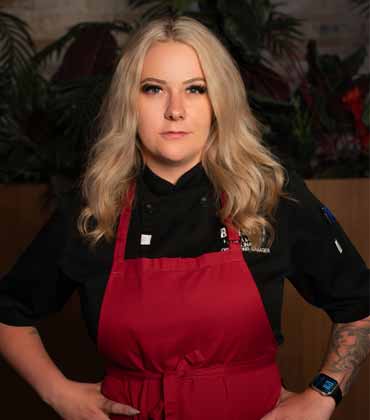
Keesha Mersky
My experience in culinary operations has taught me that strong teams are the foundation of a successful operation. You can have great systems, recipes, equipment, and procedures, but if your team does not understand the “why” behind what they are doing, consistency and performance will always be a challenge. My approach to leadership is centered around communication, accountability, training, and creating an environment where people feel supported and empowered to succeed.
Throughout my career, I have had the opportunity to be involved in opening more than a dozen locations, launching new menus, developing culinary training programs, and adapting operations to changing industry trends. Every opening and every new initiative has brought its own challenges, but they have all reinforced the importance of preparation, communication, and having the right people in place. One of the biggest lessons I have learned is that operational efficiency starts with having clear expectations. When teams understand their roles, priorities, and standards, it becomes much easier to create consistency. I believe in simplifying processes wherever possible, building practical training tools, and ensuring that standards are easy for teams to understand and execute. Consistent preparation, organization, portion control, inventory management, and proper scheduling all play a major role in maintaining quality while improving efficiency. At the same time, culinary operations cannot be focused solely on numbers. Profitability is important, but the guest experience has to remain at the center of what we do. Every decision should consider how it affects food quality, speed of service, presentation, and the overall experience. The goal is to build systems that allow teams to operate efficiently without making the experience feel transactional. When the operation is organized behind the scenes, the team has more capacity to focus on the guest in front of them. In fast-paced culinary environments, culture is equally important. I believe leadership starts with being present and leading by example. Teams respond to leaders who are willing to step in, listen, communicate clearly, and work alongside them when necessary. Recognition is also incredibly important. Celebrating improvements, acknowledging hard work, and recognizing people who demonstrate strong leadership can have a significant impact on morale. Training is another major part of my leadership philosophy. I believe training should be ongoing rather than something that happens only when someone is first hired. People learn differently, so finding practical and engaging ways to reinforce standards is essential. When employees understand not only what they are expected to do but also why it matters, they become more invested in the operation and more confident in their roles. I am particularly passionate about coaching the next generation of leaders. The restaurant industry brings many young people into their first jobs, and I believe we have an opportunity to make a lasting impression on them. Leadership is not just about getting the best performance out of someone today; it is about helping them see what they could become tomorrow. Giving people a path to grow, challenging them, and investing in their development can influence their careers well beyond the time they spend in our kitchens. For culinary leaders, I believe the key priorities should always come back to people, quality, and consistency. Strong training and communication create stronger teams. Strong teams create better execution. Better execution leads to improved efficiency, profitability, and ultimately a better guest experience. The culinary industry moves quickly, and there will always be new challenges, trends, menus, and expectations to navigate. Effective leadership is not about having every answer. It is about building a team and an operation that can adapt, communicate, and continue moving forward together. Ultimately, success is not only measured by how well an operation performs today. It is also measured by the people you help develop along the way. If someone who started in your business as a young employee grows into a confident leader and eventually makes their own impact, you know you have left something meaningful behind.The articles from these contributors are based on their personal expertise and viewpoints, and do not necessarily reflect the opinions of their employers or affiliated organizations.
