
Thank you for Subscribing to Food Business Review Weekly Brief

Athens Country Club
Eleni Karytinou, Team Development & Operations Manager
Building a Culture of Continuous Learning in Hospitality
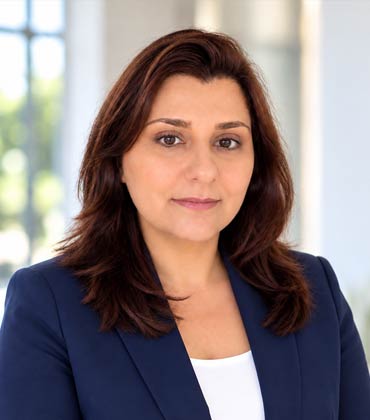
Eleni Karytinou
Eleni Karytinou is a food and beverage manager focused on strengthening service standards through practical, consistent training. Her approach turns everyday experiences into learning opportunities that help hospitality teams build confidence, consistency and stronger guest interactions.
Making Ten Minutes Count In the food and beverage industry, employees are constantly learning, whether we formally call it training or not. Every shift brings a different member or guest, a different request and sometimes a different challenge. Daily micro learning gives us the opportunity to turn those everyday experiences into intentional development. I use what I call ‘Training in ten minutes,’ where we take a short portion of our pre-shift lineup and focus on one specific topic. It might be beverage service, table maintenance, menu knowledge, professional presence, anticipating a guest’s needs, or the difference between service and hospitality. The goal is not to teach everything in ten minutes. It is to reinforce one thing consistently enough that it becomes a habit. When employees repeatedly hear, discuss and practice the standards we expect, those standards become part of how they naturally approach service. The biggest advantage is that these sessions are realistic. Hospitality operations are busy, and finding an hour to bring an entire team into a classroom is not always possible. Ten minutes before service is much easier to incorporate consistently. For me, the key is keeping each session focused. If today’s topic is beverage service, we stay with beverage service. We might discuss how quickly beverages should reach the table, presentation, refills or how to anticipate when a guest may be ready for another drink. I also like to make the training interactive. Instead of simply telling employees the answer, I ask questions, use situations that actually happened during service, or have employees explain how they would handle a scenario. That makes the information more memorable and gives managers an immediate understanding of where additional coaching may be needed. Letting the Operation Shape the Training I believe the operation tells you what needs to be trained if you pay attention. I look at member and guest feedback, manager observations, employee questions, service mistakes and patterns we notice during shifts.The more confident employees are in the fundamentals, the more attention they can give to the person standing in front of them.
The articles from these contributors are based on their personal expertise and viewpoints, and do not necessarily reflect the opinions of their employers or affiliated organizations.
