
Thank you for Subscribing to Food Business Review Weekly Brief
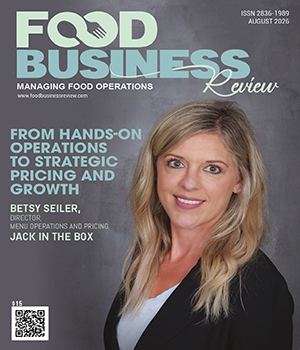
Betsy Seiler is the Director of Menu Operations and Pricing at Jack in the Box, where she combines strategy and creativity to shape menu strategy and pricing decisions. With a background in retail and fast food, including Whataburger, she brings hands-on experience and a passion for leading teams while driving innovation in the guest experience. Building a Holistic View through Operational Experience My first jobs were in retail operations, and I worked my way through college, earning both my bachelor’s and master’s degrees along the way. I’ve always had a passion for understanding the big picture when it comes to business. At Lowe’s Home Improvement, I managed everything from Delivery to Cabinet and Appliance Sales to Customer Service. That operational foundation gave me a real love for business and strategy, because I naturally gravitate toward looking at things from a wide, holistic lens. When it comes to pricing and operations, the skill that sets people apart is decision-making in the face of all the data. My years in operations taught me to be agile, pivot quickly, think outside the box and make sound decisions without always having perfect clarity. When I moved into QSR, I started in warehouse operations, building a fulfillment center from the ground up. I never expected that path to lead me into pricing, but in hindsight, it makes sense. Pricing touches every part of the business — supply chain, finance, operations and ultimately the customer experience. Navigating Pricing Challenges in a Complex Business Environment The biggest challenge since 2020 has been the volatility of the external environment. It’s tough to keep the longterm vision in mind while responding to the daily chaos we’re all operating in. When I first entered pricing in 2018, it was a straightforward function. I didn’t have direct pricing experience, but I understood costs, profit margin and overall business goals well enough to ramp up quickly. At that time, pric
Snack Manufacturing
The idea of jarjoy® grew from a simple observation: The chilled dessert category had changed very little over the years. It was dominated by traditional boring puddings and gelatin-based products that felt predictable to younger consumers looking for something more expressive and indulgent in the right portion size. Dan Taylor, president of sales and marketing, describes the market gap clearly, “We wanted to move away from ‘tired legacy desserts’ and instead build something layered, fresh, convenient and joyful.” He says, “jarjoy® has re-imagined what a single-serve dessert can be. Each jar is built as a multi layered experience rather than a simple single layered custard or parfait, with multiple textures and flavors stacked into a compact format that feels both familiar and new.” We exist to create shared joy by making hospitality effortless, through dessert vacation moments in everyday life. Built for Modern Consumers The company’s audience is centered on millennials and Gen Z, between eighteen and thirty-five, along with a steady base of older consumers who still enjoy convenient indulgence. Students, young professionals, and homemakers form the core of its everyday fan base, shaping how products are designed and placed in various retail environments. Rather than treating dessert as an afterthought, jarjoy® designs for moments of impulse, comfort, and everyday reward. Flavors That Feel Familiar yet New jarjoy® builds its flavor identity around nostalgia with an innovative twist, offering layered desserts such as raspberry cheesecake, peanut butter cup, and salted caramel brownie. Its partnership with Mars Incorporated has added another dimension, bringing the world’s most recognizable candy brands into chilled dairy desserts that feel both familiar and newly reimagined. From cookie batter with M&Ms® to SNICKERS®-inspired jars and churro de leche with Twix® creations, the brand leans into strong familiar consumer equity while still surprising the palate.

Contract Manufacturing

Turning a beverage concept into a successful market offering requires more than manufacturing expertise. It takes collaborative partnerships built on people, quality, innovation and consistency. Patco Brands supports customers from concept to commercialization by combining product development expertise with global manufacturing capabilities while keeping customer goals at the center of every stage. As the business has grown, so has its manufacturing footprint, giving customers the confidence that their products can scale without sacrificing quality. That growth has been deliberate, built around manufacturing partners that share the company’s standards and work as an extension of its team to deliver consistent results. Shared operating procedures, rigorous quality standards and strong operational alignment ensure every facility produces to the same specifications. Consistency across every production location allows customers to scale confidently, knowing every beverage reflects the same craftsmanship regardless of where it is produced. “We ensure every product reflects consistent quality and craftsmanship across global facilities, building customer trust through disciplined execution, rigorous standards and strong operational alignment,” says Lindsey Sky, Executive Vice President of Operations.
F&B Supplier and Distributors
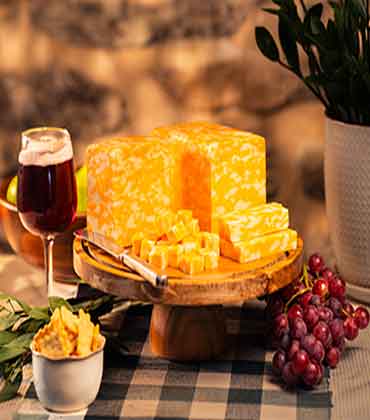
Growing up on an Old Order Amish farm in Lancaster County, Daniel Stoltzfus spent his early years tending fields, milking cows, and helping his family with daily chores. The rhythms of farm life shaped his work ethic and remained a lasting influence. Around age 20, Dan left the farm to work in construction before starting a construction company two years later. Yet he soon began to miss the work that kept him close to family, leading him to sell the business and start a dairy farm. Once back in dairy farming, Dan began marketing dairy cattle, which eventually led him into cooperative milk marketing. In 1997, he joined a group of about 50 Amish and Mennonite farmers, and together they formed Lanco Pennland Cooperative to provide a more consistent market with improved milk value for member farmers. Over time, that effort expanded beyond milk marketing when the co-op purchased a cheese plant in 2014. The expansion introduced a new challenge in finding profitable markets for the cheese being produced. In response, Dan launched the Dutch Country Cheese sales brand in 2018 to bring cooperative-produced cheese directly to local stores and markets, improving returns for member farmers. “Our goal is to deliver true Dutch Country value in every product, ensuring customers, suppliers, and employees all benefit from the quality and care we put into our work,” says Dan, owner and founder.
Retail Services

The hemp-derived beverage category expanded rapidly as consumers began looking for alternatives aligned with changing wellness habits and social experiences. High Spirits Beverages entered the market early, launching one of the first hemp-derived Delta-9 THC beverages while focusing on product transparency, clean ingredients and consistent dosing at a time when the category was still largely untested. “We wanted to be more than a seltzer, but less than a soda,” says Chris Fontes, founder and CEO. “We didn’t want to create a drink with high sugar and pure syrup, but it also needed to be more than water with a memory of oranges from long ago.” That balance became central to the company’s identity. High Spirits built its formulations around all natural hemp-derived THC, transparent labeling and products tested for consistency. The company viewed those decisions as necessary for establishing consumer confidence in a highly scrutinized market segment. Its brand positioning also reflects a broader audience than the younger sober-curious demographic commonly associated with THC beverages. High Spirits developed products with THC doses ranging from 1.5 mg to 50 mg, allowing consumers with different preferences and lifestyles to engage with the category at their own comfort level. Building Products around Familiar Experiences The company’s product development process combines formulation strategy with a deliberate emotional connection to familiar flavors and experiences. High Spirits draws heavily from the nostalgia associated with the 1980s and 1990s, particularly among Xennial consumers who make up a significant part of its customer base. Flavors such as cherry limeade, iced tea lemonade and grape were designed to evoke drinks many consumers grew up with while adapting them for adult tastes and modern wellness expectations. The company believes familiarity plays an important role in helping consumers approach a category that still feels unfamiliar to many buyers.
Bakery
Hot Cakes Bakery
When Wall Street Lost a Broker, a Bakery Was Born
Suzanne Marcus, Founder and Owner
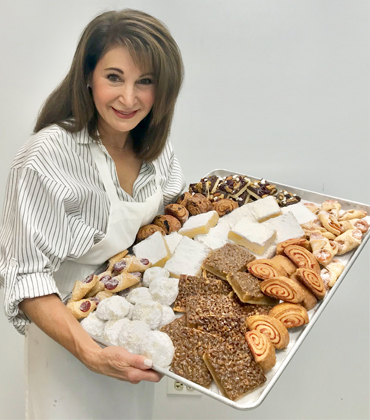
Every morning, somewhere in the Midwest, a cup of coffee is paired with a cookie, coffee cake, cheesecake or freshly baked treat from Hot Cakes Bakery . For customers, it’s a moment of indulgence. To Suzanne Marcus, it’s the everyday ritual that inspired an entirely different career. Long before Hot Cakes Bakery became a trusted wholesale partner for restaurants, specialty retailers, coffee shops, and national grocery brands, Marcus was working as a stockbroker in downtown Chicago. A weekly office tradition unexpectedly changed the course of her career. Employees would take turns bringing treats for morning coffee breaks, but rather than stopping at a bakery for donuts or bagels, she began baking from scratch herself. What started as a simple effort to share homemade baked goods with coworkers soon became a passion that occupied more of her time and imagination than the financial markets ever could. Before long, Marcus found herself spending her evenings baking, and trading stocks during the day.
Food Brokers
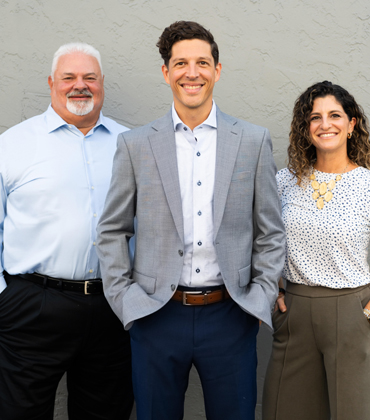
When food brands begin to scale, their success often shifts away from the factory floor and into the broader retail ecosystem. Manufacturers must balance retailer expectations, distributor relationships, promotional strategies, and store-level execution, all of which vary by retailer. Understanding those realities often determines whether a promising brand reaches its next stage of growth. For many manufacturers, bridging that gap requires a partner with firsthand knowledge of how retailers and distributors operate. Seidman Food Brokerage has spent more than three decades helping brands navigate those retail complexities across the Southeast. Founded by Gary Seidman in 1994, the company began by representing a small portfolio of overlooked brands. Over time, close retailer relationships, a strong store-level presence, and a commitment to serving manufacturers of all sizes have remained central to its approach. What started as a small operation has grown alongside its clients into an expanding team of more than 30 professionals supporting over $500 million in annual grocery sales. Four years ago, Ryan and Chelsea Burnett acquired Seidman Food Brokerage from Gary and Cathy Seidman after more than a decade of learning every aspect of the business. Beginning with overnight resets before advancing through sales support, finance, and Publix account management, Ryan developed a firsthand understanding of what it takes to bring products successfully to market. Today, Ryan, Victor Rancel (SVP of Sales), Chelsea (SVP of Operations), and the company’s experienced executive team continue to build on the relationship-driven culture established by Gary while expanding the firm’s capabilities for the future.
Food Processing and Packaging

A Brief History of Carry-Out Food Packaging
Todd Jongen, Director Non-Foods Product Development and Packaging Science, US Foods [NYSE: USFD]
Food Ingredients
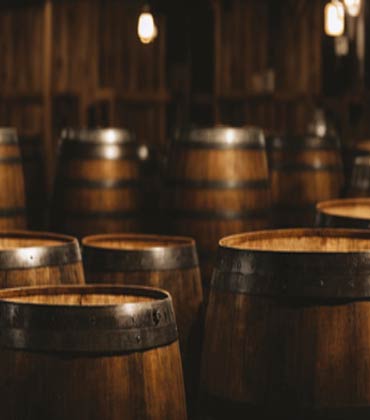
The Whiskey Barrel: From Passive Container to Creative Partner
Andrew Wiehebrink, Director of Spirit Research and Innovation, Independent Stave Company
Food Sustainability
Beef Sustainability Starts from the Ground Up: The Role of Soil Health
Carlos Marcelo Saviani, Beef Sustainability Director, Cargill
Organic Food
Why the Food Industry Needs More Translators, Not Just Specialists
Sarah Engstrom, Corporate Microbiologist, Grande Cheese Company
Bakery
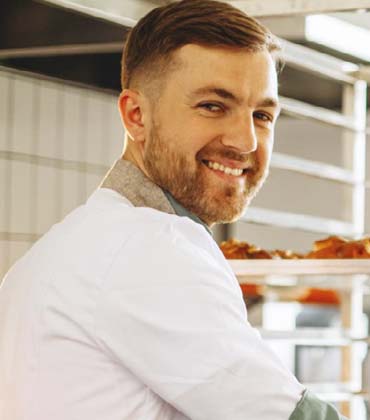
The Team-First Discipline behind Bakery Excellence
Crystal Myers, Bakery Operations Director, Noble Food And Pursuits

IN MY OPINION
Food Service Equipment
The Power of Connection in Restaurant Equipment Success
Scott Sayre, Branch Manager Bend, Curtis Restaurant Equipment

LAST WORD
Supply Chain
Food Safety Culture in Multicultural Workplaces
Karem Tirado, Regional Food Safety and Quality Manager, the Chefs' Warehouse
IN FOCUS

Crafting Competitive Edge: Strategies in Private Label Beverage Development
Private label beverage development services reduce development costs, provide access to expert formulation support, and improve market competitiveness.

Wholesale Artisan Bakery Products Solutions: Scaling Craft Quality across Markets
Wholesale artisan bakery product solutions deliver scalable craftsmanship, ensure product consistency, support diverse distribution channels, and enhance quality across evolving food markets.
EDITORIAL
Creating Value Across The Food Industry
This edition of Food Business Review examines how manufacturers, producers and foodservice leaders are responding through stronger partnerships, disciplined operations and customer-focused product development.
Our featured companies reflect that commitment across distinct segments of the food industry. Dutch Country Cheese is recognized as the Top Cheese and Meat Product Dealer 2026 due to its efforts in turning a cooperative enterprise into a wellregarded regional company through the incorporation of traditional skills and effective growth. The focus on product quality, customer satisfaction and distribution remains a source of added value for customers and local farmers.
Recognition also goes to Hot Cakes Bakery, honored as the Top Wholesale Artisan Bakery Products Solutions 2026, for demonstrating that handcrafted quality and operational discipline can grow together. Jarjoy®, named the Top Jar Dessert Producer Company 2026 by changing the way chilled desserts are made, introducing new layered desserts. Patco Brands, awarded Top Private Label Beverage Development Services 2026, continues to help customers bring beverage concepts to market through collaborative development, scalable manufacturing and rigorous quality standards.
Crystal Myers, Bakery Operations Director at Noble Food and Pursuits, discusses how continuous learning, process discipline and team development create the foundation for consistent bakery performance while supporting innovation. Todd Jongen, Director of Non-Foods Product Development and Packaging Science at US Foods, examines the growing demand for sustainable foodservice packaging, emphasizing the need to balance environmental responsibility with cost, functionality and customer expectations.
In order to achieve success in the dynamic field of the food industry, there is an increasing need for companies to integrate operational efficiency and foresight regarding future market demands. We invite you to explore this edition and discover the leadership perspectives and success stories shaping the future of food.
