
Thank you for Subscribing to Food Business Review Weekly Brief


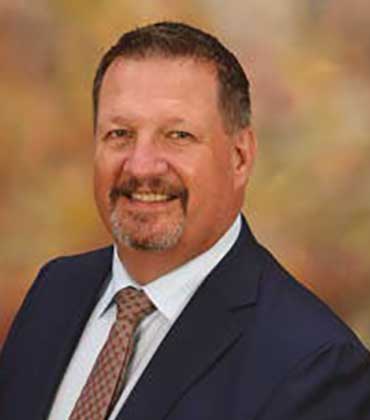 Patrick Maroney, President and Founder
Alcohol businesses navigate detailed, state-specific regulations and real-time decisions around identification, intoxication and customer safety. However, basic responsible-service training may not cover obscure Colorado laws or the practical judgment needed to handle these situations.
Alcohol Beverage Training (ABT) builds its curriculum around the regulatory experience of its founder and president, Patrick Maroney, a former director of Colorado’s State Liquor Enforcement Division. Focused exclusively on Colorado, the company gives licensees practical insight into state-specific regulations and challenging service situations. Through live, scenario-based instruction, ABT helps businesses apply that knowledge to compliance and responsible alcohol service.
“We develop the curriculum based on my industry experience and an understanding of what licensees need to know to comply with liquor laws and run their businesses successfully,” says Maroney.
ABT serves alcohol-service businesses, licensees and employees involved in selling or serving alcohol, with training that goes beyond basic requirements such as not serving minors or visibly intoxicated individuals.
Strengthening Compliance and Service Judgment
ABT addresses often-overlooked compliance issues, including proper ID checks, alcohol transfers between businesses and liquor-store sampling. The curriculum covers complex sampling rules introduced through recent legal changes, along with Colorado ID security features and employee age requirements, which vary by license type.
It also prepares licensees for inspections by local law enforcement and state liquor-enforcement officials. The program covers what inspections involve, how licensees can prepare and which practices require attention. It addresses Colorado’s rules for alcohol delivery and restaurant take-out, helping licensees operate within state requirements.
Beyond regulatory knowledge, the training helps participants recognize intoxication caused by alcohol, marijuana, prescription medication and other substances. It emphasizes observing customers, sharing information with coworkers and refusing further service professionally while prioritizing customer safety.
Through practical scenarios, employees learn appropriate responses to challenging situations. They are encouraged to monitor customers’ drink consumption using a chart that offers a basic idea of potential blood alcohol levels after a certain number of drinks within an hour. This helps them consider how continued consumption could lead to intoxication and make more informed service decisions.
Broadening Access through Technology and Expertise
ABT has expanded its delivery model using live-streamed instruction and a Zoom-based platform, offering five to six classes each week. It also offers a Train the Trainer Program, through which businesses can train their own staff using ABT’s program, methods and curriculum.
-
We develop the curriculum based on my industry experience and an understanding of what licensees need to know to comply with liquor laws and run their businesses successfully.
To broaden access, ABT has a Spanish-speaking instructor who delivers a module and testing in Spanish. It is currently one of two Colorado-approved providers offering the training in Spanish. This expanded delivery model is supported by a team with regulatory, industry and teaching experience. One instructor worked with Colorado’s Liquor Enforcement Division for more than 25 years, while other employees bring varied industry backgrounds and experience teaching similar subjects.
Building Systems for Continued Growth
As ABT’s training services expand, it is strengthening the systems that support its operations. It recently launched a new website that consolidates registration, payment, attendance, testing and certificate issuance. This improves data sharing among instructors, students and businesses while allowing companies to create accounts and track employee training records. Businesses can register employees using a company code and receive a monthly invoice for staff who attended classes the previous month.
ABT has also partnered with EduClasses to make nationally accredited food-safety classes available through its website, with EduClasses providing the training. It aims to broaden the Train the Trainer Program, introduce more live-streamed classes and use its website to support continued growth.
By combining regulatory expertise, live instruction, scenario-based learning and flexible training solutions, ABT continues to help licensees and their employees develop the knowledge and judgment needed to operate responsibly. Its recognition as the Top Alcohol Beverage & ABC Seller Server Training Company 2026 further reflects its specialized role in strengthening compliance and responsible alcohol service across Colorado.
Why Alcohol Seller-Server Training Must Go Beyond Certification
A certificate can confirm that an employee has completed a course. It does not show whether that employee knows what to do when an ID is questionable, a customer shows signs of intoxication or a rule changes. That distinction matters in alcohol seller-server training because responsible service depends on applying Colorado’s requirements during real interactions, not simply remembering them after an exam. Restaurants, retailers, bars and other license holders need training that prepares staff for those decisions while giving management a clearer way to maintain consistent practices across the business.
Legal specificity should carry more weight than course convenience. Alcohol rules vary by jurisdiction and license type, making generic material a poor substitute for instruction tied to the laws a business actually operates under. In Colorado, that means training needs to address the state’s liquor laws, rule changes and the situations that can create liability during day-to-day service. Managers should examine how often course content is reviewed and whether instructors understand the enforcement practice. They should also look at whether the training addresses situations staff are most likely to mishandle and how clearly the course connects rules to frontline decisions. Compliance instruction is strongest when employees understand both what the rule requires and how it changes the decision in front of them.
Practical judgment is the next dividing line. Servers need to recognize signs of intoxication, observe drinking pace, refuse further service professionally and keep customer safety in view. Scenario-based teaching can reveal whether a program gives staff a usable method for handling that uncertainty rather than relying on memorized warnings. The same applies to identification checks. Training should move beyond age thresholds and show employees what to examine when authenticity or ownership of an ID is uncertain.
“Alcohol Beverage Training (ABT) focuses exclusively on Colorado seller-server training, using a curriculum built around state liquor laws and enforcement experience.”
Delivery and administration deserve equal scrutiny when training must reach a distributed workforce. Class availability affects how quickly new hires can be placed into service, while language access determines whether the instruction is usable by the people taking it. Employer controls matter as well. Centralized training records and company-level billing can reduce the manual work of confirming who completed a course and when retraining is due. Larger operators may also benefit from an approved internal training model when it preserves the provider’s curriculum while giving the business more control over scheduling. That administrative layer is easy to underestimate. A course that is sound in the classroom can still create friction if managers must reconcile certificates manually across locations or chase employees for proof of completion.
Alcohol Beverage Training (ABT) focuses exclusively on Colorado seller-server training, using a curriculum built around state liquor laws and enforcement experience. Its live classes address ID checks, intoxication decisions, inspection preparation and alcohol delivery, and it offers approved Spanish-language instruction. Alcohol Beverage Training (ABT) also supports employer-managed training through its Train the Trainer program, while its website centralizes enrollment and employee training records. The combination gives Colorado licensees a practical way to pair state-specific instruction with repeatable staff administration. That scope is especially relevant where managers want training grounded in local enforcement practice. For buyers who need live Colorado-focused training rather than a generic national course, Alcohol Beverage Training (ABT) merits consideration.
...Read more
Alcohol Beverage and ABC Seller Server Training Companies Info
Q1
What Should Buyers Look For in Alcohol Beverage & ABC Seller Server Training Companies?
Training companies for alcohol beverage and ABC sellers should not just help their employees pass a test, but rather teach them how to apply the law in real service situations. Buyers need to check that the course covers the liquor laws of the relevant state, explains the procedure for checking IDs and making decisions about intoxication, and includes content on being ready for an inspection. The use of real-life scenarios can demonstrate whether the staff know how to react when an ID is in doubt or when a customer has to be turned away during a busy shift or a difficult interaction.
Q2
How Does Alcohol Beverage Training (ABT) Prepare Colorado Licensees?
The training offered by Alcohol Beverage & ABC Seller Server Training Companies varies in the extent to which it relates to local regulations. Alcohol Beverage Training (ABT) is concerned solely with Colorado and bases its course content on Patrick Maroney's previous role as director of Colorado's State Liquor Enforcement Division. The company's hands-on, scenario-driven lessons cover such topics as ID security features, the transfer of alcohol, liquor store sampling, the requirements for delivery and restaurant take-out, and how to prepare for inspections by both local and state enforcement officers, rather than using general national materials.
Q3
Which Service Situations Should Alcohol Seller-Server Training Cover?
Good Alcohol Beverage & ABC Seller Server Training Companies prepare staff to make decisions under pressure. Relevant topics include checking IDs, recognizing signs of intoxication and knowing when to refuse further service. Training should also explain how employees can communicate concerns to coworkers and prioritize customer safety. In Colorado, instruction may need to account for impairment related not only to alcohol but also to marijuana, prescription medication and other substances. The goal is consistent, lawful decisions at the point of service.
Q4
Why Do State-Specific Liquor Laws Matter in Training?
Colorado liquor laws and other alcohol-service requirements can vary by state, license type and the activity being regulated. A course built for one jurisdiction may not address requirements elsewhere, including age rules, sampling, delivery or take-out service. Alcohol Beverage & ABC Seller Server Training Companies should make the intended jurisdiction clear and keep course material aligned with applicable regulations. Buyers should also ask how instructors track legal changes and translate those changes into practical guidance for staff. This is especially important when regulations change.
Q5
How Can Employers Manage Training Across Their Staff?
Alcohol Beverage & ABC Seller Server Training Companies may support employers through flexible class schedules, employee records and options for internal instruction. A train-the-trainer model can help a business educate its own staff when the provider supplies the curriculum and methods. Online registration, attendance tracking, testing and certificate records can also reduce manual follow-up. Employers should confirm which administrative functions are included and how they can verify completion when required.
Q6
How Does Alcohol Beverage Training (ABT) Make Training Easier to Administer?
Alcohol Beverage & ABC Seller Server Training Companies can be easier to manage when they combine accessible instruction with reliable records. ABT offers live-streamed classes through Zoom, with five to six sessions a week, and a Train the Trainer Program for businesses that want to train staff internally. Its website consolidates registration, payment, attendance, testing and certificate issuance, while company accounts help businesses track employee records. ABT also provides a Spanish-speaking instructor for a module and testing in Spanish.
Company :
Alcohol Beverage Training (ABT)
Management Patrick Maroney, President and Founder
Description
Alcohol Beverage Training provides Colorado-specific, instructor-led education for alcohol-service businesses. Drawing on regulatory expertise and practical scenarios, it helps licensees and employees understand liquor laws, strengthen compliance, recognize intoxication, and make responsible decisions in challenging service situations.