Food Business Review

Top Shrimp Machinery and Equipment Manufacturing Solutions in Latin America 2026

Shrimp machinery and equipment manufacturing solutions help seafood producers improve processing, handling and production efficiency. With a focus on equipment durability, hygiene control, workflow speed and output consistency, they support stronger seafood operations and more reliable product quality.

Balzo Machines: Built for the Way Shrimp Processors Work
Balzo Machines
Built for the Way Shrimp Processors Work
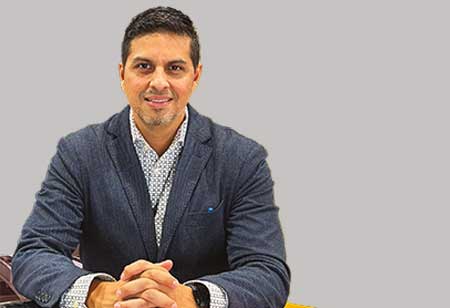
Andres Coronel, Commercial Manager
Shrimp processing is a race against time. Processors must maintain an unbroken cold chain while handling high volumes with speed and precision to preserve product quality and remain competitive. At the same time, shifting export markets, evolving product formats, and changing customer demands often require production lines to adapt within facilities that cannot simply be rebuilt. Meeting these realities calls for engineering solutions that work with existing operations while supporting future growth.

Latin America's Seafood Success: Enhancing Shrimp Processing with Advanced Equipment

Seafood processing continues to play an important role across Latin America as producers supply domestic and international markets with high-quality shrimp products. Growing customer expectations have increased the need for efficient production methods that deliver consistent quality while reducing waste. Modern processing facilities are adopting advanced technologies that improve accuracy at every production stage, from sorting and peeling to packaging and freezing. These improvements help processors achieve stronger operational performance while protecting product quality throughout the supply chain.

Matching Shrimp Processing Equipment to Plant Demands

Throughput losses in shrimp plants rarely begin with one dramatic machine failure. More often, grading drifts from target sizes, product queues build before freezing, cleaning routines consume more production time than planned and maintenance interruptions unsettle the schedule. Equipment selection therefore affects yield control and labor deployment while shaping the plant’s ability to respond when export demand shifts toward different presentations.

Driving Success in Food Manufacturing Engineering
Monogram Foods
Driving Success in Food Manufacturing Engineering
Fernando Garcia Vidal, Vice President of Engineering

Professional Background and Role at Monogram

I am the Vice President of Engineering at Monogram Foods. In this role, my primary responsibility is the management and execution of the portfolio of capital projects across the enterprise. We execute projects for two primary reasons: a) to grow the business and make the company more profitable; and b) to enable all our manufacturing plants to be able to operate in a safe, food-safe, legally compliant and efficient way.

Shrimp Machinery and Equipment Manufacturing Solutions in Latin America Info

Q1
What Do Top Shrimp Machinery and Equipment Manufacturing Solutions in Latin America Typically Include?
Top Shrimp Machinery and Equipment Manufacturing Solutions in Latin America cover equipment used across core shrimp-processing stages, including grading, washing, cooking, conveying, beheading, peeling and material handling. The category is centered on machinery that supports controlled product flow, consistent processing and hygienic handling. Depending on plant requirements, solutions can range from individual machines to connected processing equipment designed around available space, production volumes and downstream capacity.
Q2
Why Is Demand Growing For Shrimp Processing Machinery In Latin America?
Demand for Top Shrimp Machinery and Equipment Manufacturing Solutions in Latin America is shaped by the need to process higher volumes while protecting product quality and maintaining efficient cold-chain operations. Processors also face changing export requirements, product formats and labor constraints. Equipment that can adapt to different production conditions can help plants respond without extensive facility reconstruction. Rising attention to sanitation, maintenance requirements and throughput also makes machinery selection an important operational decision.
Q3
What Should Processors Evaluate When Selecting Shrimp Processing Equipment?
When comparing Top Shrimp Machinery and Equipment Manufacturing Solutions in Latin America, processors should examine throughput, grading consistency, plant fit, cleaning access, maintenance needs, controls and service support. Equipment should be assessed as part of the full production line rather than by individual capacity alone. Buyers should also consider adjustment time, spare-parts availability, worker access, sanitation requirements and the effect of downtime on connected stages such as freezing, packing or storage.
Q4
Which Company Did Food Business Review Recognize For Top Shrimp Machinery And Equipment Manufacturing Solutions In Latin America In 2026?
Food Business Review recognized Balzo Machines for Top Shrimp Machinery and Equipment Manufacturing Solutions in Latin America in 2026. The Ecuador-based manufacturer develops shrimp-processing machinery for grading, washing, cooking and material handling. Its recognition places the company within a category focused on equipment designed around processing requirements, plant constraints and changing production needs.
Q5
How Does Innovation Shape Modern Shrimp Processing Machinery?
Automation and practical engineering are increasingly relevant to Top Shrimp Machinery and Equipment Manufacturing Solutions in Latin America. Technologies such as programmable controls, touchscreen interfaces, variable-speed drives, sensors and stored recipes can support repeatable processing and faster adjustments when they solve a measurable production need. Effective innovation also depends on sanitation, worker safety, maintainability and integration with existing lines rather than technology alone.
Q6
Why Was Balzo Machines Recognized By Food Business Review In 2026?
Balzo Machines was recognized for a documented approach that combines customized equipment design, automation and ongoing technical support. Its work includes site-based engineering and design reviews, machinery for grading, washing, cooking and conveying, plus operator and cleaning training and technical documentation. The company also uses automation features such as PLC controls, touchscreen interfaces, variable-speed drives and sensors, while its low-maintenance approach is intended to reduce servicing and downtime. These concrete capabilities form the basis of its 2026 recognition.